Day 8 - Into West Virginia
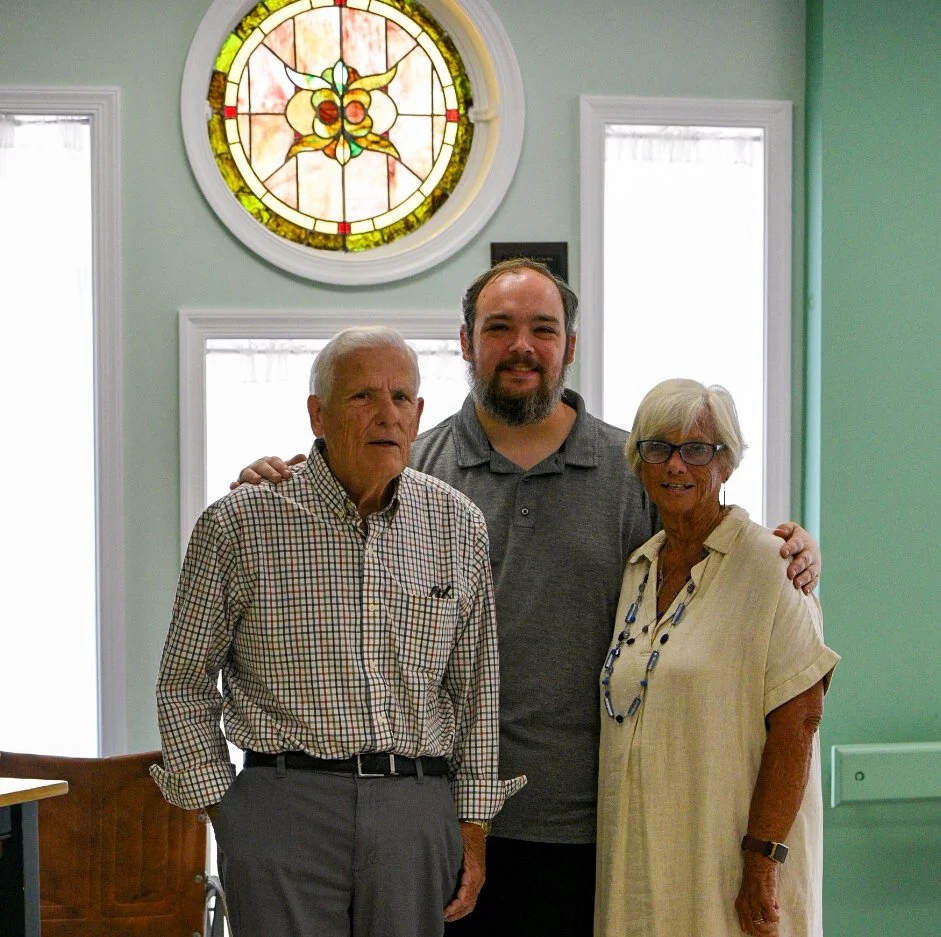
Visiting Front Royal UMC:
After waking up I shared a cup of coffee and some breakfast with Susan and Dave before she had to leave to get to the Church. My intention was to bike down about 15 minutes later and then be part of their hymn sing service.
After talking with David for a few more minutes I did my final pack and was out the door.
Perhaps you don’t recall me talking about the hill I had to come up to get here. Well, now it was time to go down, and due to the built up nature of the hills this road was straight and dumped directly out onto a main road with zero transition or flat spots to bleed off some speed. Just a 400ft drop in less than a mile.
My whole bike system is around 560lbs with me on it. Before leaving I went down Pilot Mountain using the original brakes to the bike and absolutely cooked them both. Not only were they significantly undersized, but at the time I didn’t really understand how to address heat build up — and that is exactly what kills brakes. Not just bike brakes but car and truck brakes too. It’s why they tell you not to ride your brakes going down a mountain, but rather, if you can, use your gears to engine brake and bleed off speed. Failure to do so in a car will glaze the pads making them far less effective, or at the worst, warp the thick metal rotors so that they need to be resurfaced or they shake the vehicle constantly.
In a bike it’s not much different, heat builds up because that’s what brakes do. They turn the energy you gain in going down into heat.
So I had to ride a fine line of not overheating the brakes. The strategy is to allow the bike to accelerate up to a high-ish speed (like 35mph) and then clamp on the brakes hard for a short period of time to reduce speed to around 25mph, then release to let the brakes cool momentarily and then repeat as needed. Dragging the brakes the whole time does not allow them to cool and so heat builds up even faster.
Going down this hill was terrifying. I was waiting for the brake levers to suddenly go soft indicating the fluid was heating up to the point it might boil and then there is basically nothing to do, no amount of clamping will return them to their former authority. Towards the end I started to feel them soften, the levers pulling in a bit further. So I let off for about 10 seconds and then did one final pull, bringing the bike to a full stop about 50ft short of the roadway. I could smell the ozone off my front brake. I am certain if I had pushed the system harder it would have failed and I would have entered the roadway at 30-50mph with no ability to even turn before hitting a house directly in front of me, or getting sideswiped as I blazed past.
But that didn’t happen because I planned for a system to absorb heat as well as possible. The front brake quickly came back to its former authority down the road a stretch, and all was well.
A few moments later I pulled into the church parking-lot as people were starting to flow into the church for service.
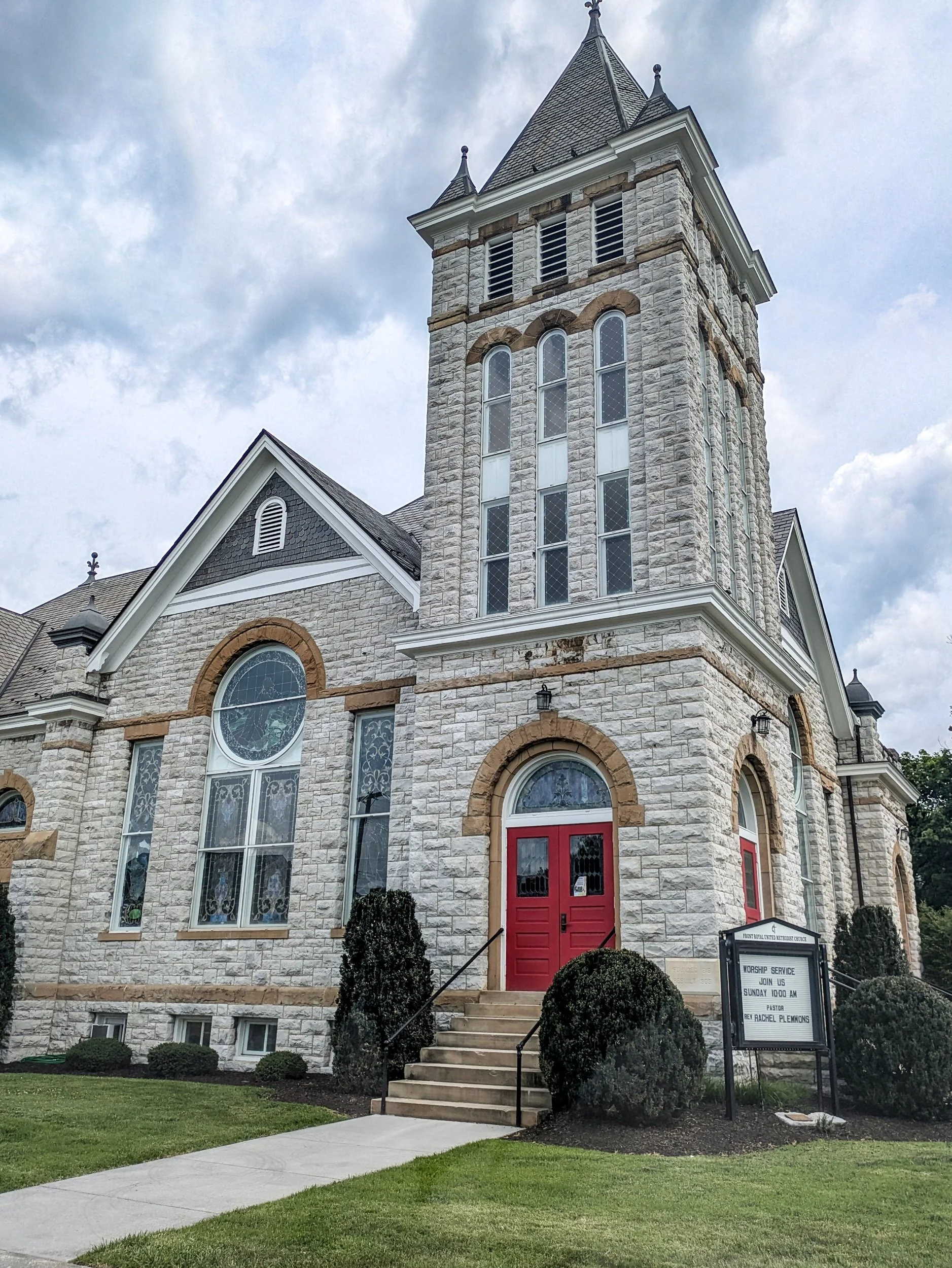
It was a lovely service with some familiar parts done in unfamiliar ways, like singing of certain call and responses. The meat of the service, though, was simply singing old favorite hymns. Two hymns in particular get me pretty emotional.
It is Well With My Soul, is a man’s cry out to God through the tragedy of his circumstance. In 1871 a Chicago lawyer, Horatio Spafford lost one of his young sons to a bought with pneumonia, soon followed by the loss of his business and real estate holdings to the Chicago fire.
Two years later in 1873 he had arranged a restorative trip for he and the remainder of his family to Europe. He was delayed on business but he and his wife agreed she and four of his daughters would cross a few days ahead of him and he would be in a ship just a few days behind.
During the transit the ship with his family aboard collided with another vessel and quickly sank. A few days later his wife was able to send a telegraph that simply said “Saved alone.” All four of his daughters were lost to the sea.
He followed immediately after receiving the telegram and is said to have penned the lyrics to It is Well as he passed near the area his daughters were lost.
To me the lyrics are a rejection of the prosperity gospel that is so often preached. Rather it is the distilled essence of faith — belief in a good God when every bone within you is crying out in anger, frustration, confusion and sadness all at once.
Here is the full text:
1 When peace like a river attendeth my way,
when sorrows like sea billows roll;
whatever my lot, thou hast taught me to say,
"It is well, it is well with my soul."
Refrain (may be sung after final stanza only):
It is well with my soul;
it is well, it is well with my soul.
2 Though Satan should buffet, though trials should come,
let this blest assurance control:
that Christ has regarded my helpless estate,
and has shed his own blood for my soul. Refrain
3 My sin oh, the bliss of this glorious thought!
my sin, not in part, but the whole,
is nailed to the cross, and I bear it no more;
praise the Lord, praise the Lord, O my soul! Refrain
4 O Lord, haste the day when my faith shall be sight,
the clouds be rolled back as a scroll;
the trump shall resound and the Lord shall descend;
even so, it is well with my soul. Refrain
Around about the third verse I tend to lose it because this image of Jesus in the garden thinking about me, at the very worst point of my life, quietly deciding that even I am worth dying for, knowing full well the pain he would endure. He was willing to walk into that for me. He was willing to allow his pain to be a gift for me and all, and so when these difficult moments come I don’t look to God and demand answers as to why he allowed it, I connect these low moments to the very act of faith as I said before. I choose to believe that God has good intentions for me, even when my circumstances aren’t great. It was that feeling that when I was overwhelmed in my first tour in 2012 — crying my eyes out in a Library, swearing that I would go home, that I was done — that feeling washed over me when I felt like a small voice inside me asked “Did I ask you to go?” To which I replied “yes”. And it was done.
Tragedy and misfortune are part of the tapestry of our lives. They are unavoidable and necessary threads that build the story of our lives. That build us. That lead us to beautiful acts of charity, or wisdom that helps others, or to write out a prayer that would be sung out through the tears of millions.
Jesus would rather have not had to endure what he chose to endure. He even asks the father that if there is any other way he would prefer it. I’m certain if you asked Horatio Spafford if he would rather have his daughters back, he would say yes. But he also would likely be overwhelmed with the effect his words, born from that tragedy would have.
I respect that many of you who read this do not believe in God, and I don’t hold that against you, and I hope for you that within the context of your own tragedies and poor circumstances you can find they often have deep personal meaning that overflows into the lives of others. There is value in hardship. As a friend says: “There is value in the struggle”.
Enough of my sermonizing.
After the service I thanked my hosts one last time, snapped a few pictures for memory’s sake and rode out the door.
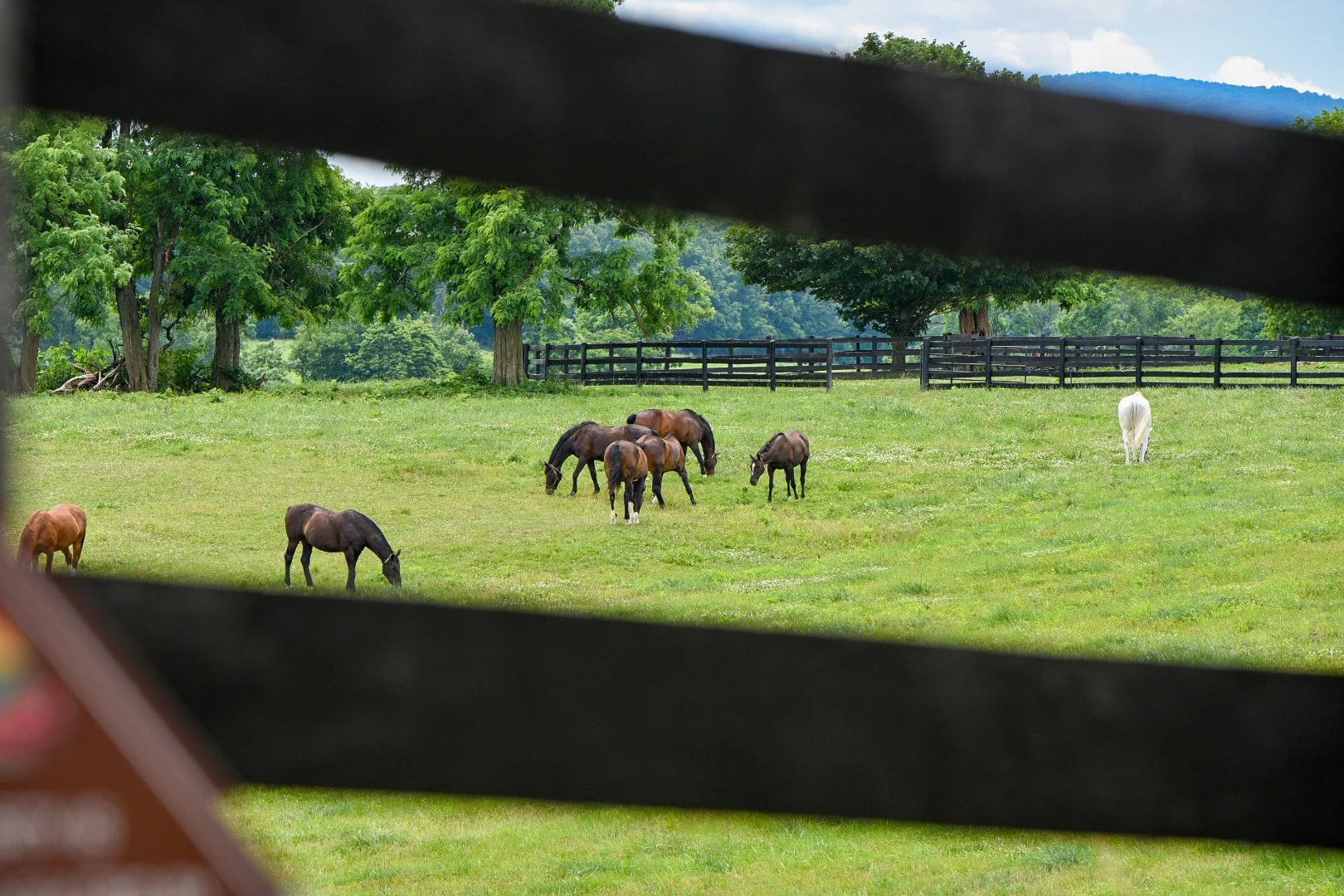
After a few miles, and being honked at and flipped off for existing by a woman who looked like tanned leather with sunglasses on (and a cross on the back of her car), I was in the horse country that Susan had hinted at when we talked the night before.
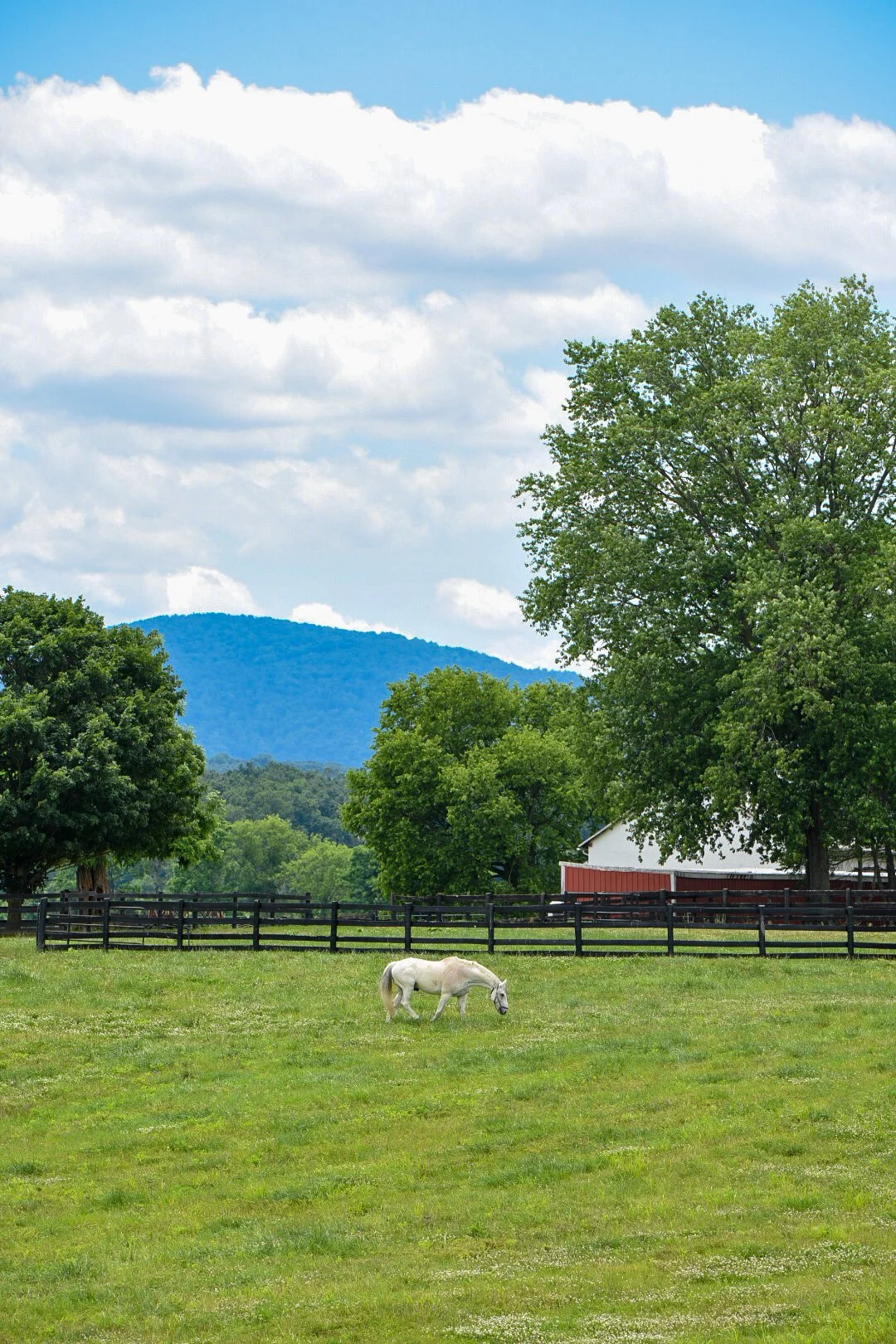
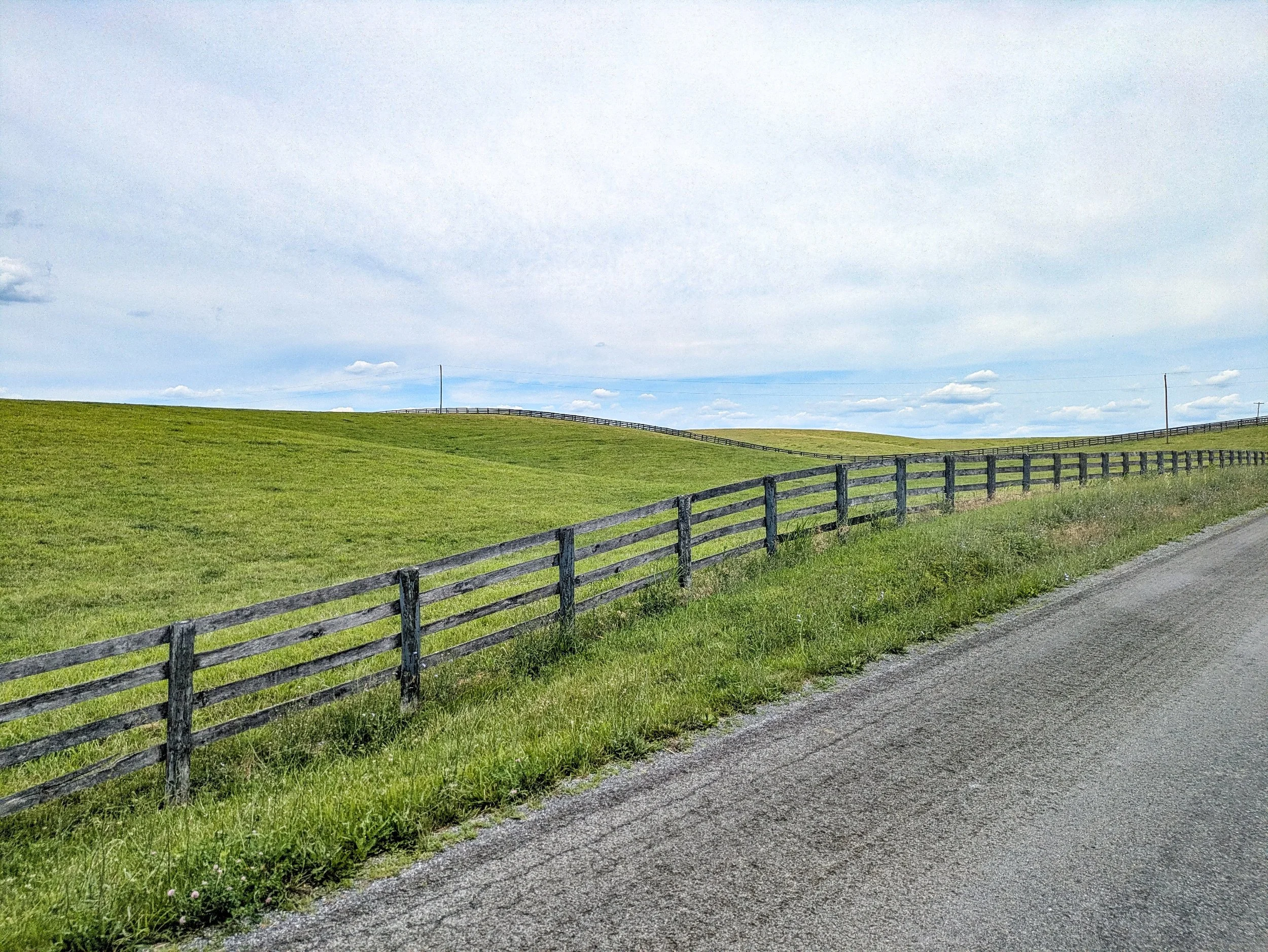
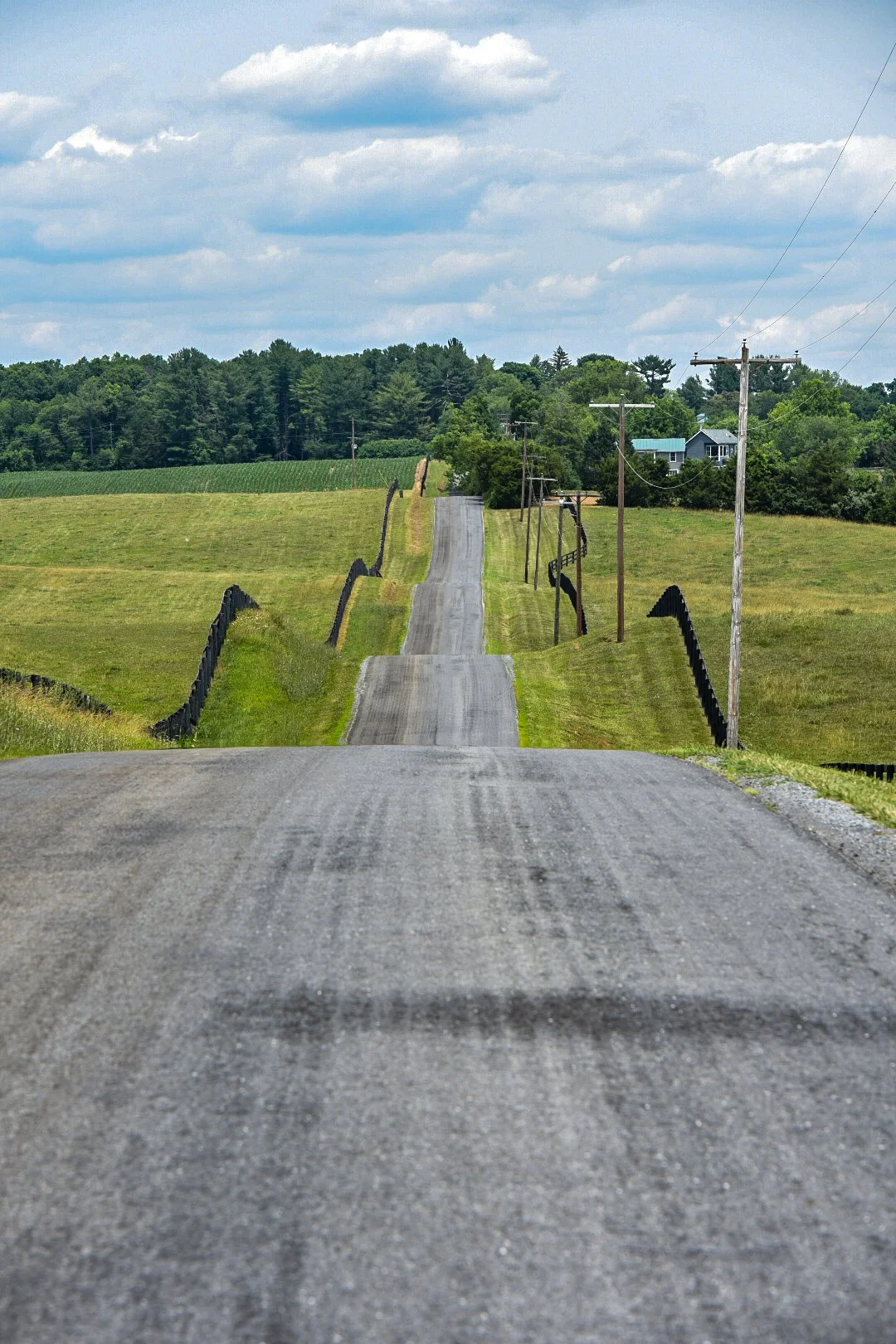
The long, lonely, undulating track took me past a landscape that seemed to be the home and farms of multi-milionaires with foreboding signs telling all passers by that they would be prosecuting for stepping on their land.
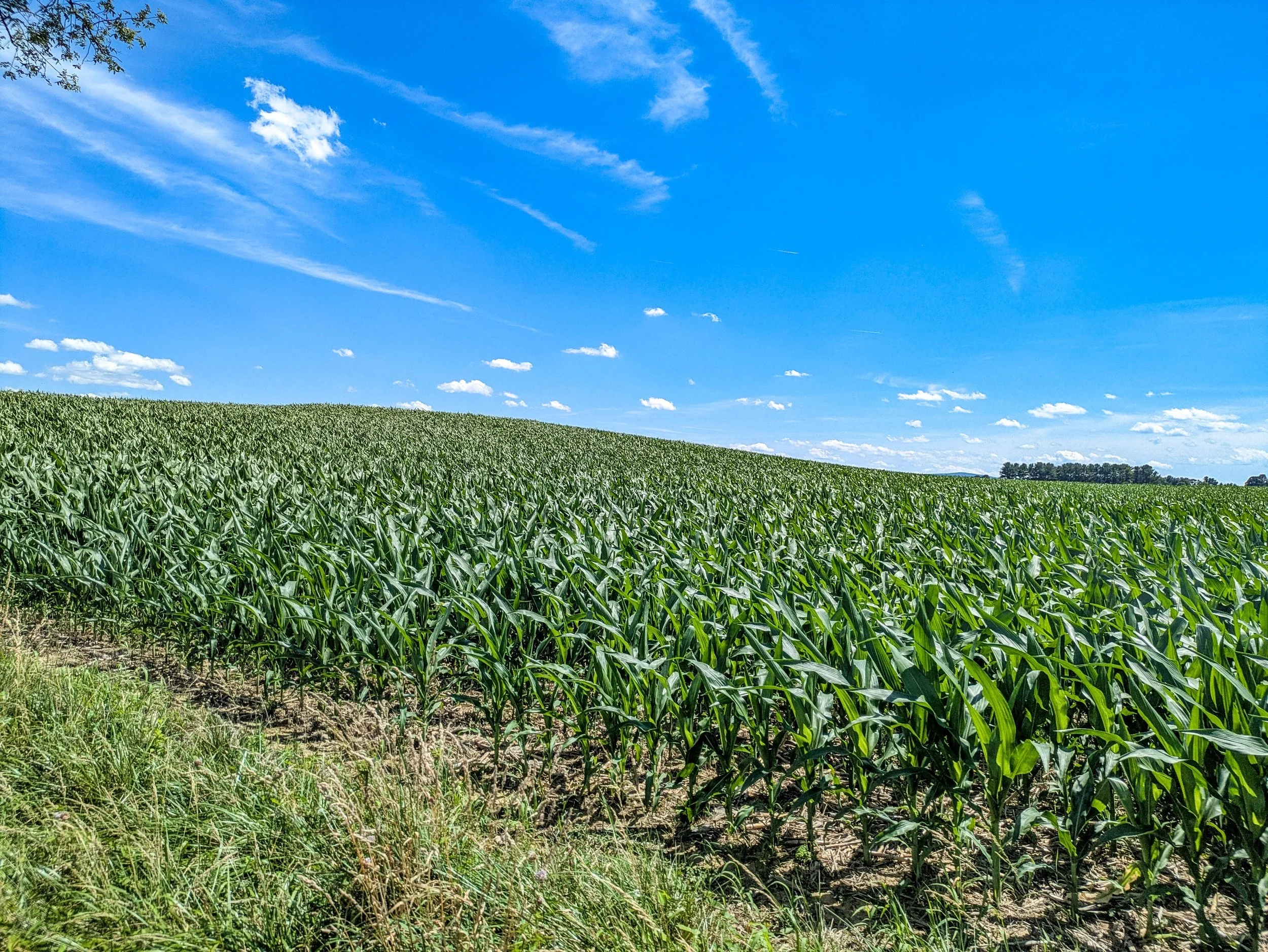
There was literally twenty miles of this sort of unbroken, heavily guarded horse country before I finally broke into areas where normal people lived again. Old farmhouses with broken down equipment mouldering away beside them, surrounded by corn, wheat, and soy.
For days I had been seeing little splashes of white and pink at the side of the road that to me looked like the flowers of alfalfa I had seen in North Dakota. However they were not…
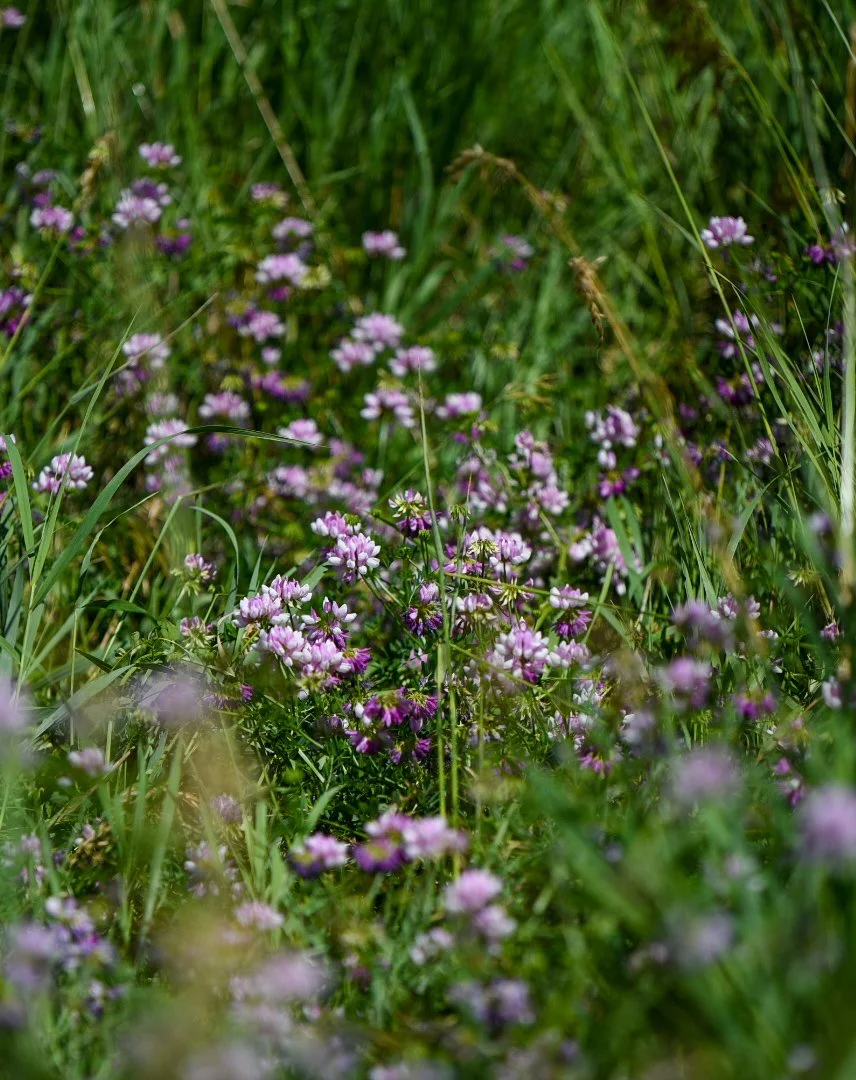
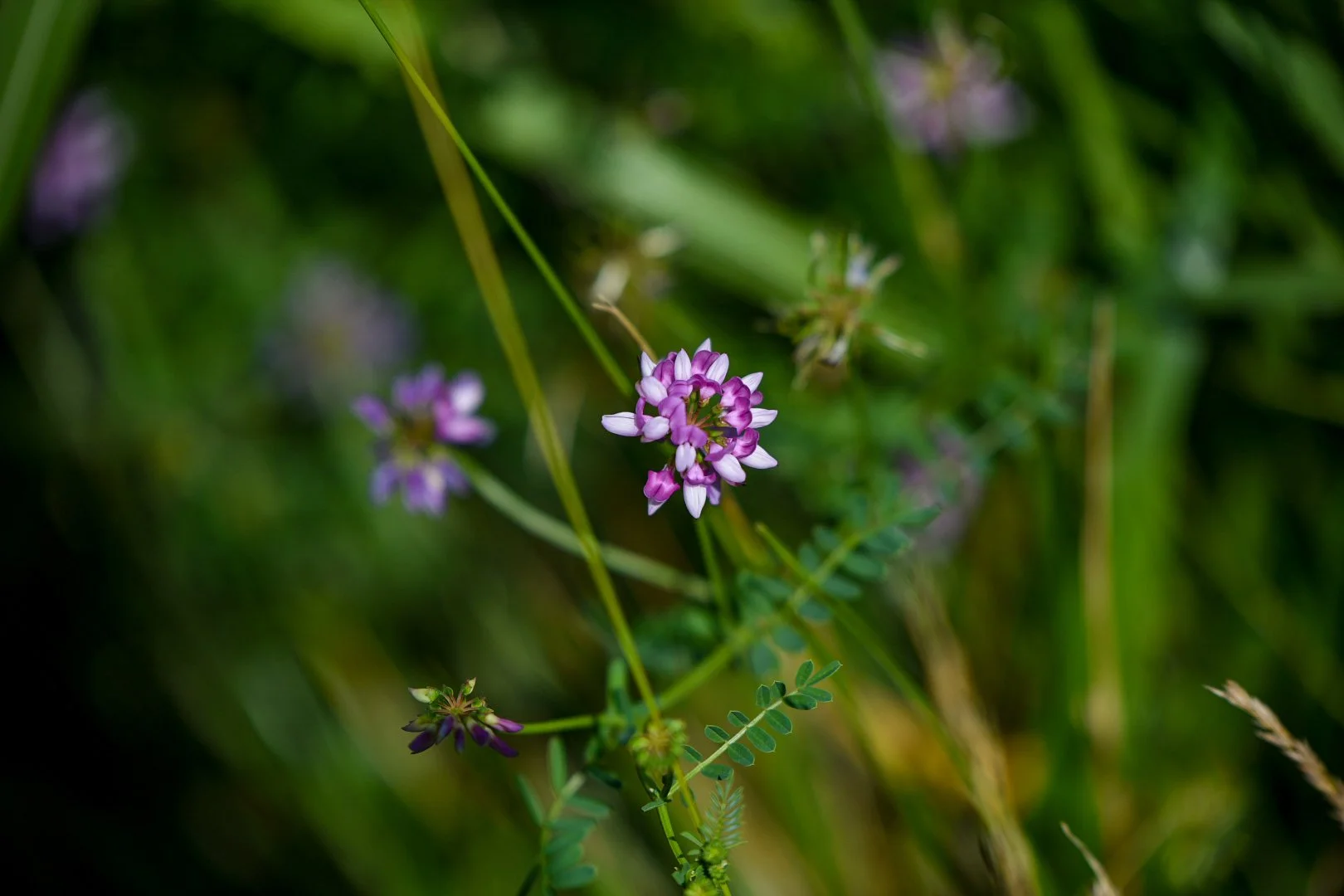
Crown Vetch (Securigera Varia):
Another European transplant to the Americas, this time on purpose. This nitrogen fixing legume was brought over to fight erosion due to its fast spreading and dense root system. These splashes of color are from stock that was likely planted over a century ago and have remained and slowly spread.
Currently it is considered invasive, and is mildly toxic to non-rumenant grazers like horses.
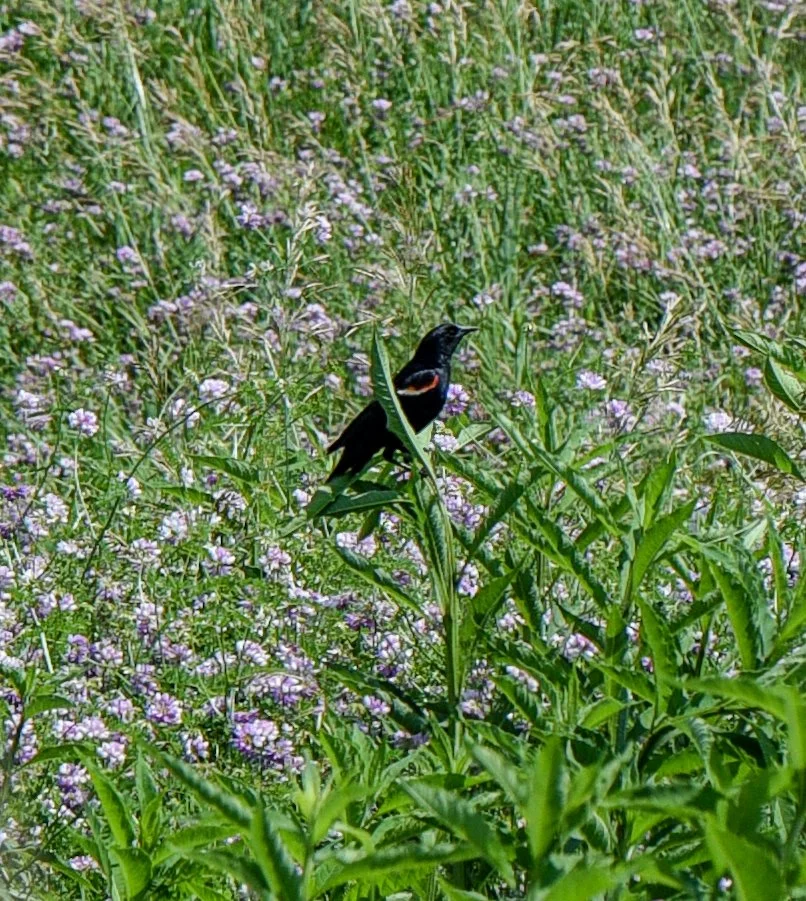
Admist a thicket of crown vetch, I spied an old friend: A red wing blackbird. So common on my last tour I’m considering getting a tattoo of one to commemorate that tour.
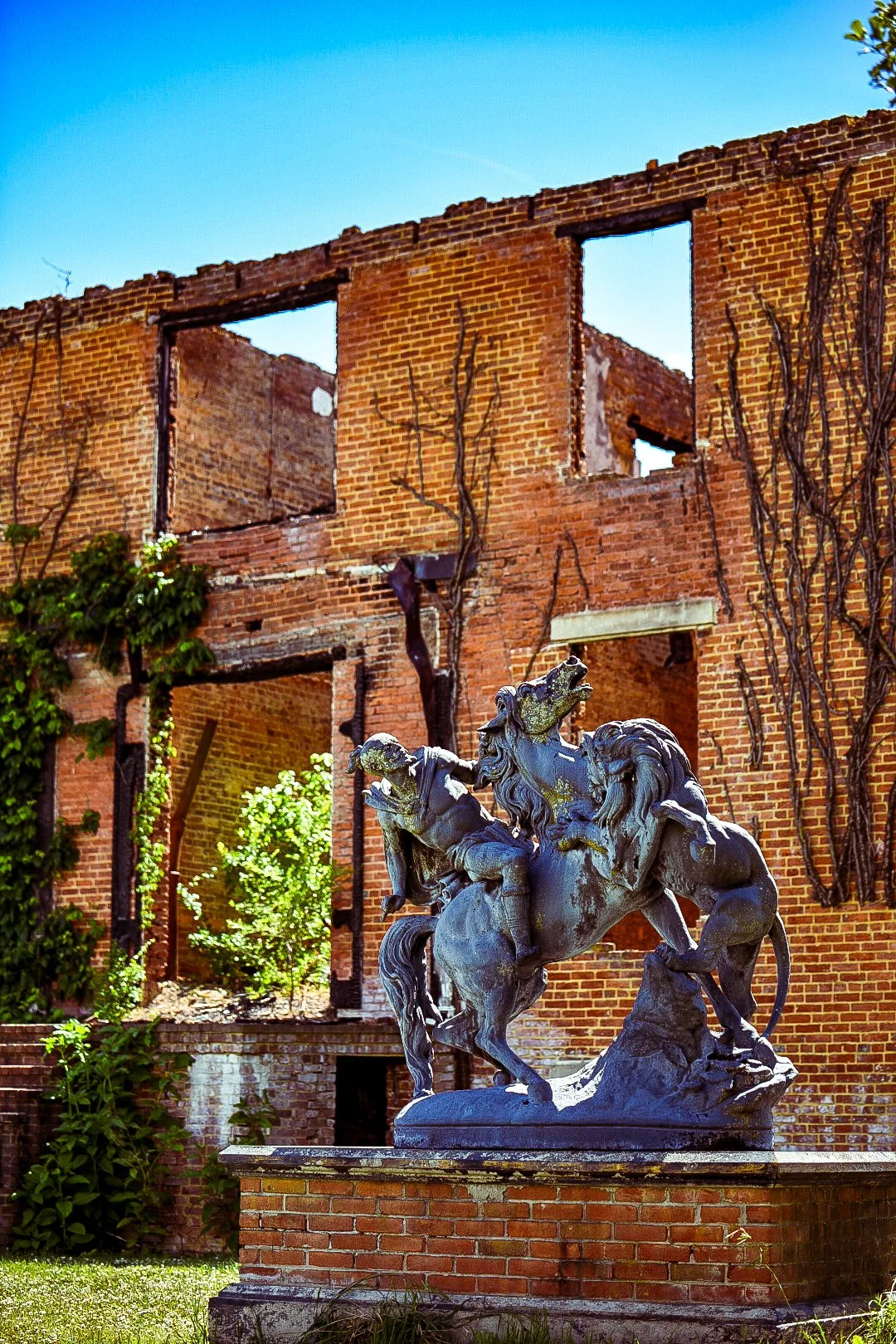
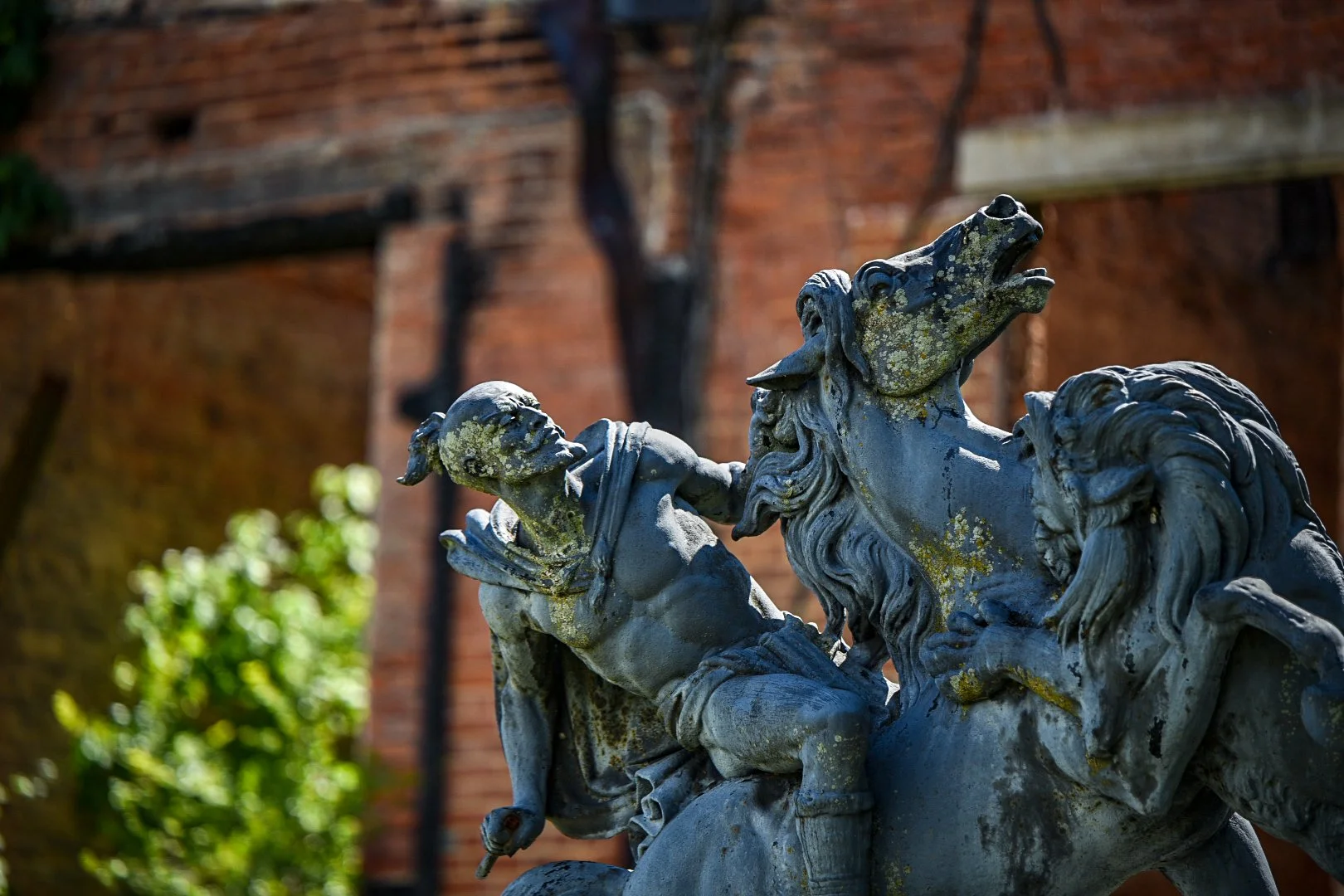
And then suddenly round the bend there is a burned out old farmhouse with a statue out front. I have no idea what the subject is or the purpose it just struck me as wholly out of place in an area that was entirely farmland.
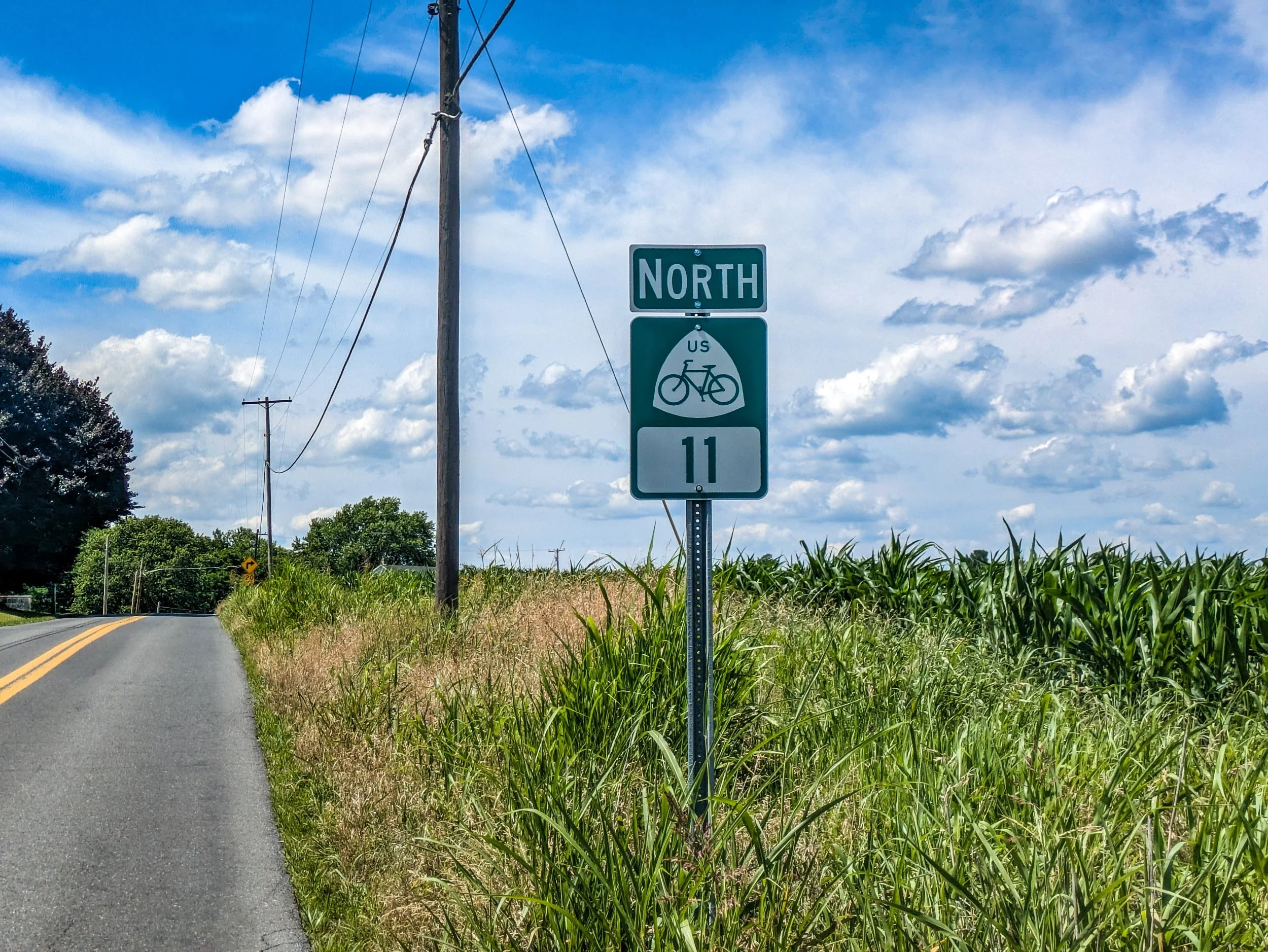
Around that same bend I joined with the US bike route 11 which I would be roughly following over the next three days into Pennsylvania. It took me just east of Charles Town West Virginia where I stopped for the evening.
Overall a fairly pleasant and easy ride of around 40 miles that set me up for a following day of taking my time to investigate Harpers Ferry, not far down the road.