Tour 26 - Day 3: New River and beyond
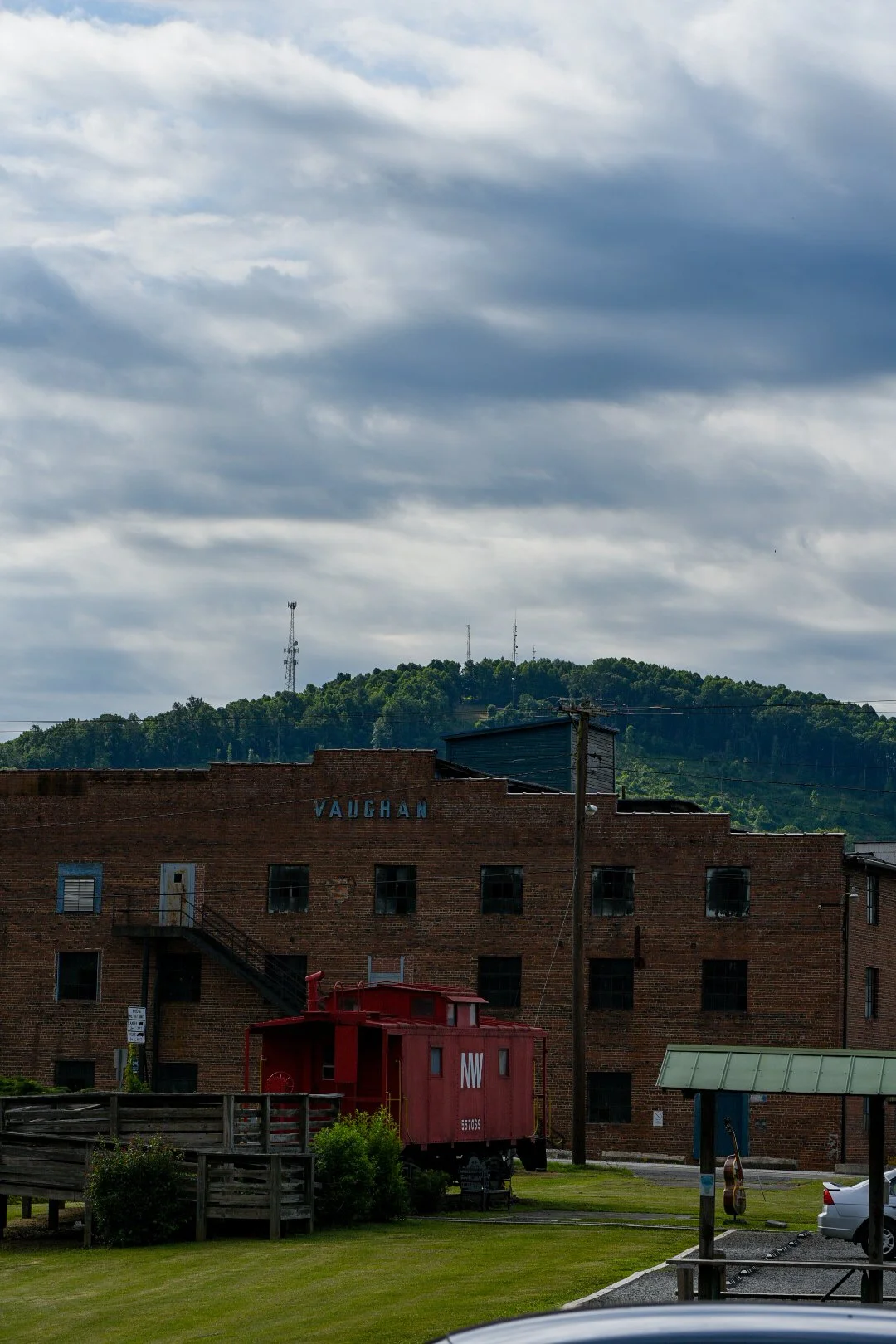
Leaving Galax:
The natural light pouring through the edges of the window woke me at about 6:50am. I had planned to get up at about 8:20. I’m not going to lie, I layed in the bed and scrolled the Internet for an hour out of spite.
But I stayed true to my rousing hour and rolled down to the Hardees to order one of the saddest of sad trombone womp womp biscuits of my life. But I needed protein and a bit of a carb boost for the day’s main event: The New river trail.
Onward to better things: The New River trail
The NRT is a “Rails to trails” conversion of an old rail line that terminated in the towns of Galax and Fries, VA. It represents the former rail line that extended all the way down the river to Pulaski, VA.
If you’re a local and you’ve never been, it’s worthy of a visit. The trail is hard-packed cinder and gravel and I’ve even ridden it on skinny tires.
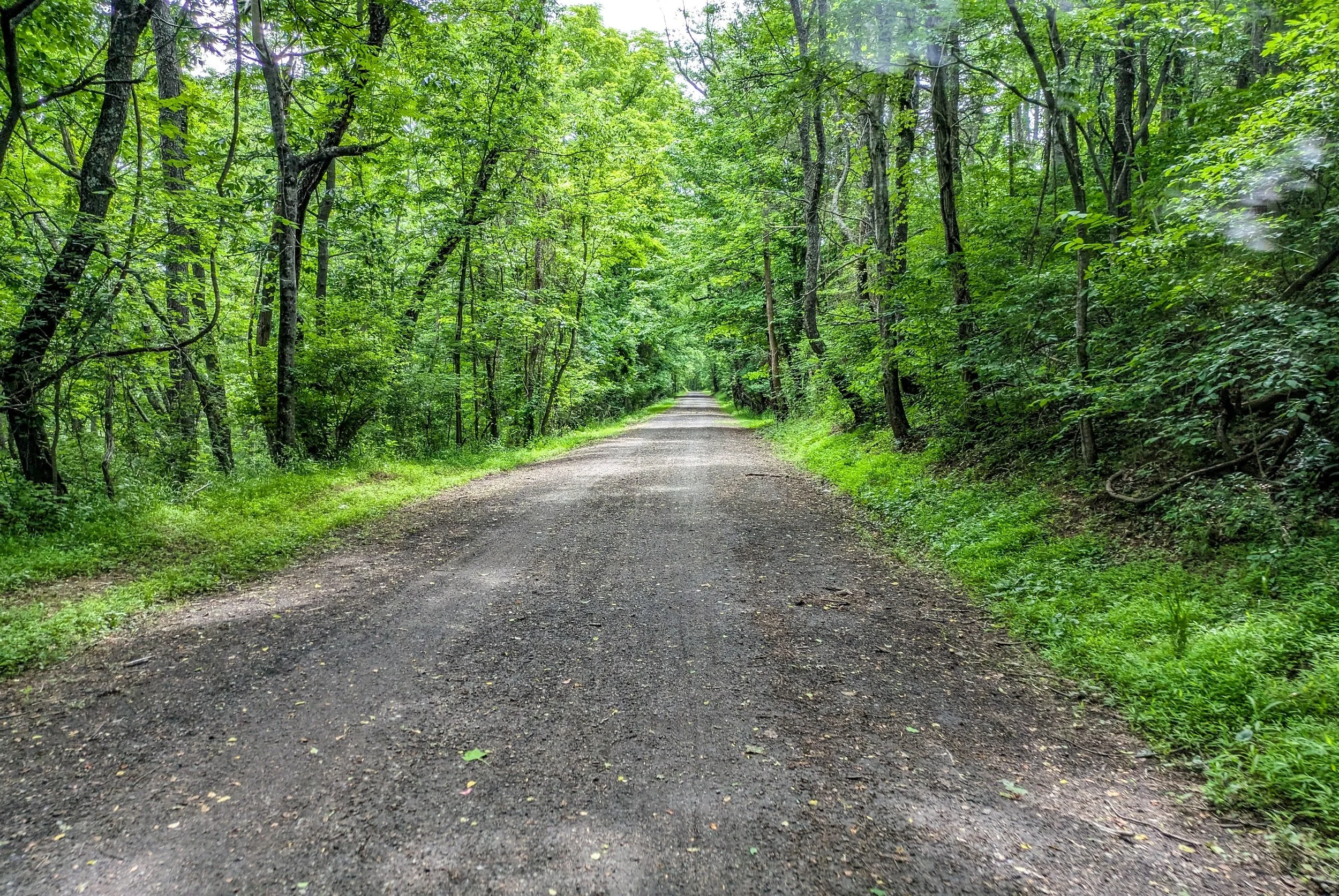
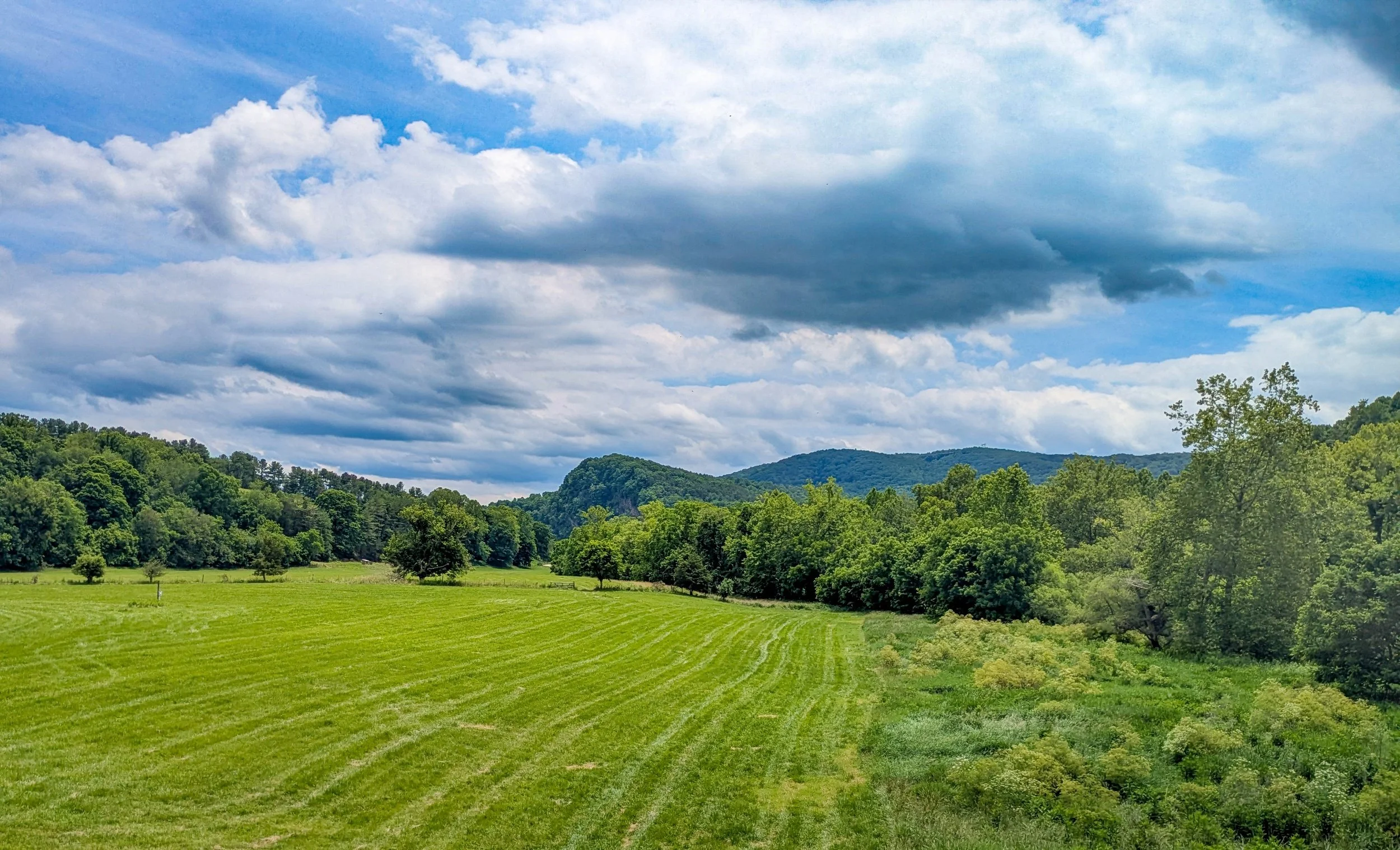
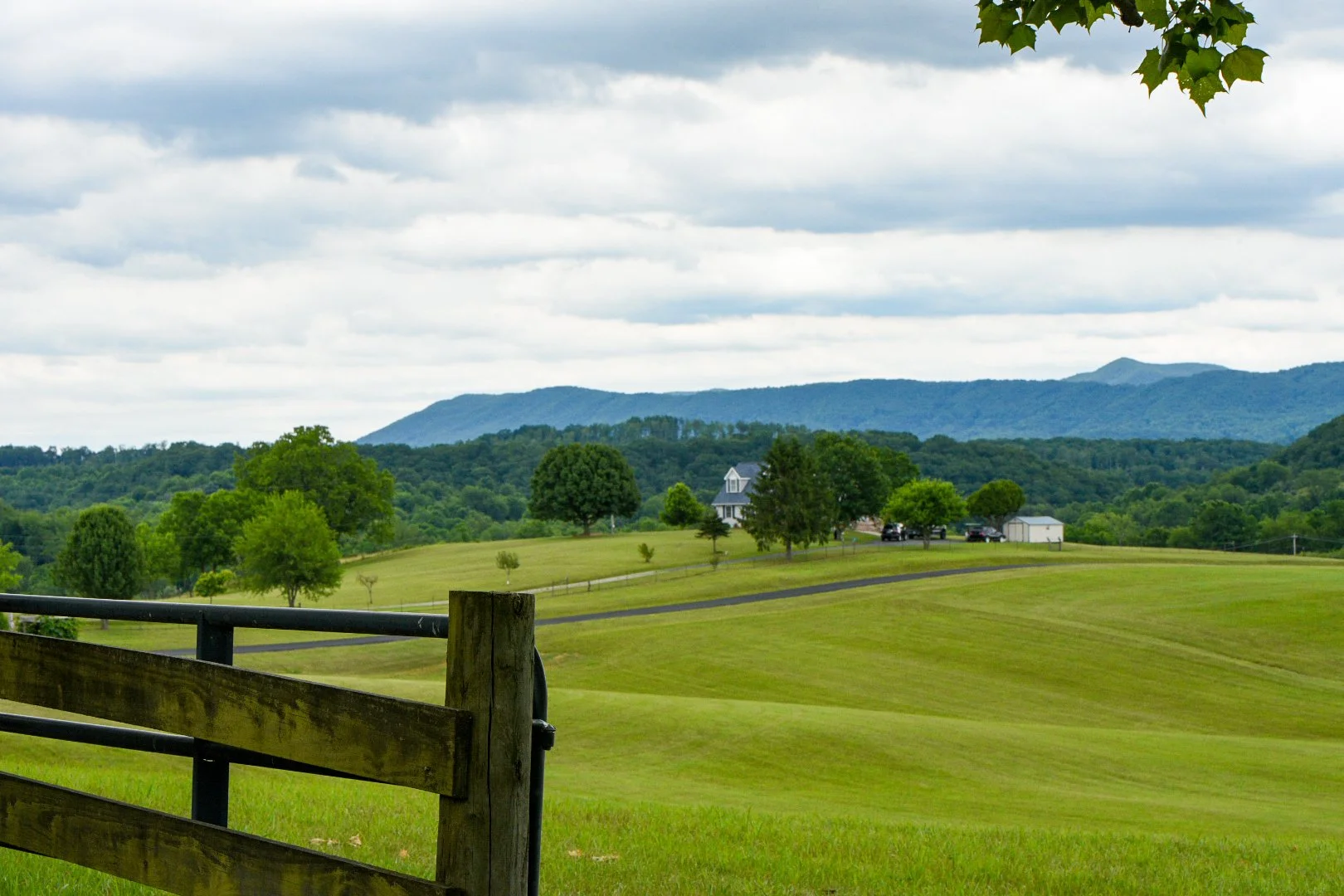
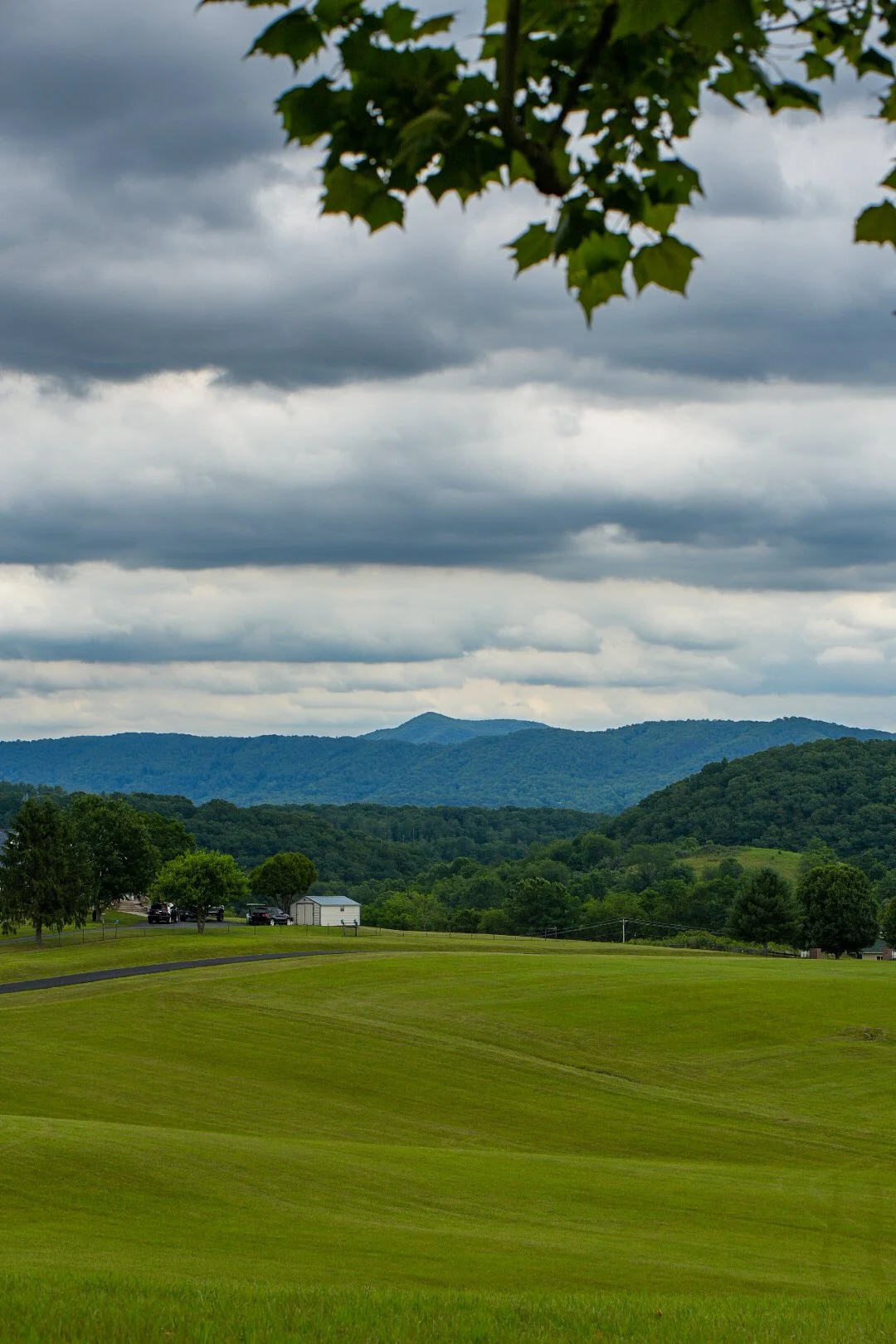
It wends its way through an area of Southern Virginia that is rife with buccolic vistas, and old farmhouses. Around one corner a beautiful old barn, around the next the cows that it provides for.
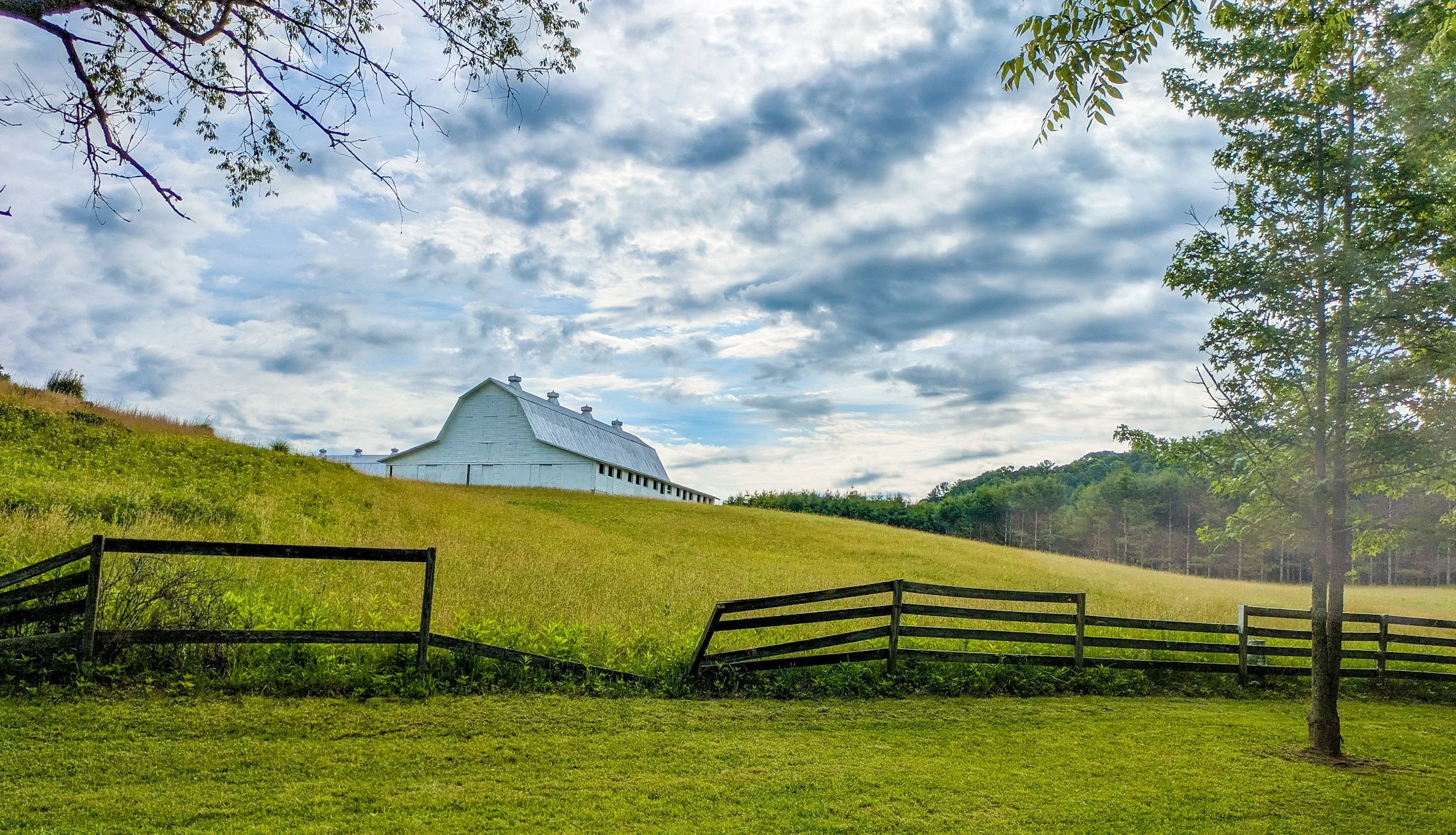
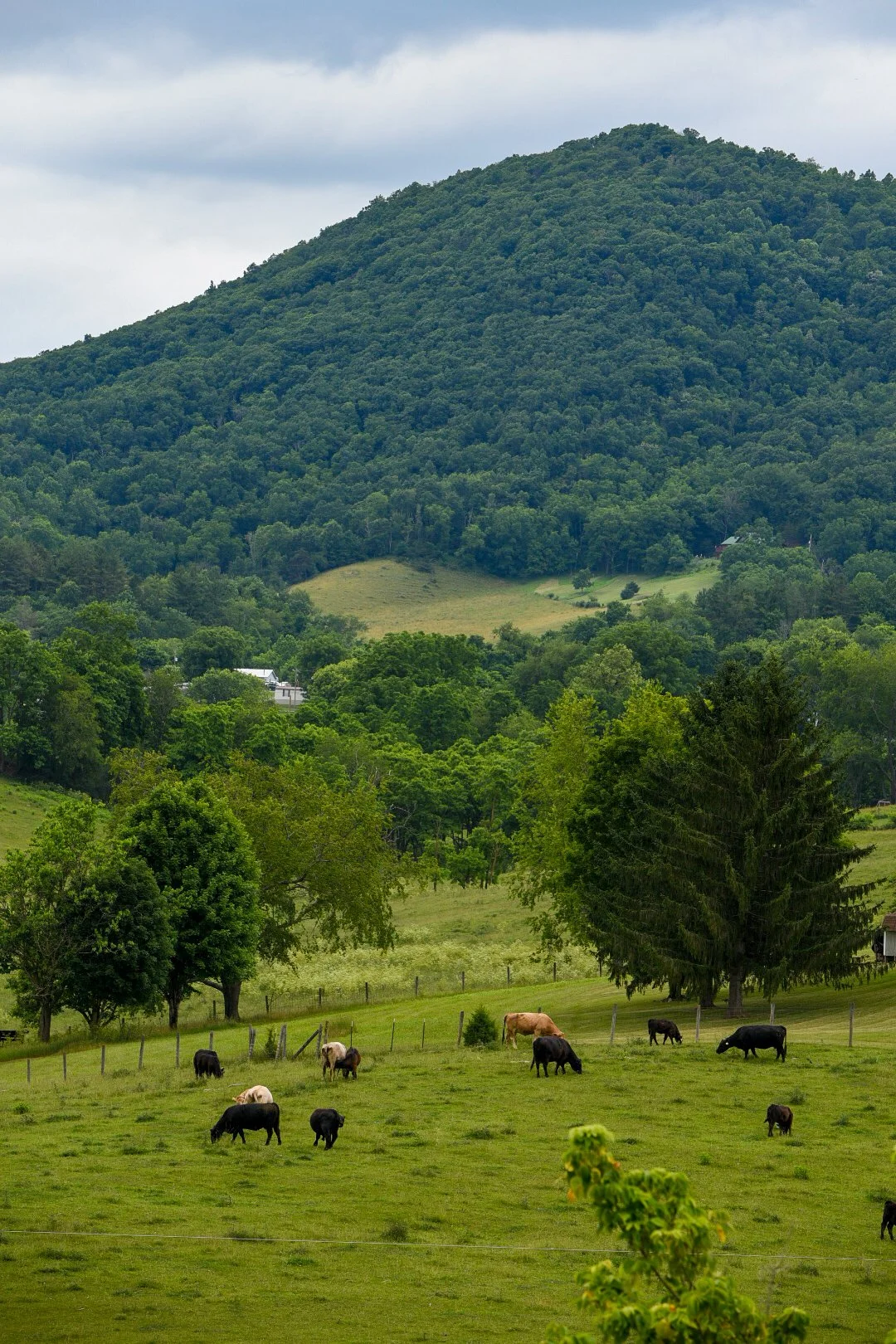
All of this nestled into the slowly deepening gorge the new river is creating amongst the rounded mountaintops.
The stars of the trail are the five or so converted rail bridges that give open views of an explosion of green on the banks of the river, and occassional glimpses of the peculiar, ancient geology of the region.
In much the same way that the Sauratown mountains were formed from compacted, hardened sediments over time, so were the hills and mountains of this grand valley system. All of this used to be the bottom of a vast ocean and over eons sand, decaying plants, and carbonaceous phytoplankton layed down thick layers. This resulted in the rich coal and shale deposits in the region, which extend all the way through West Virginia into Pennsylvania.
The New River itself is anything but, given that it is likely one of the oldest rivers in North America, cutting across the oldest mountain system on the planet.
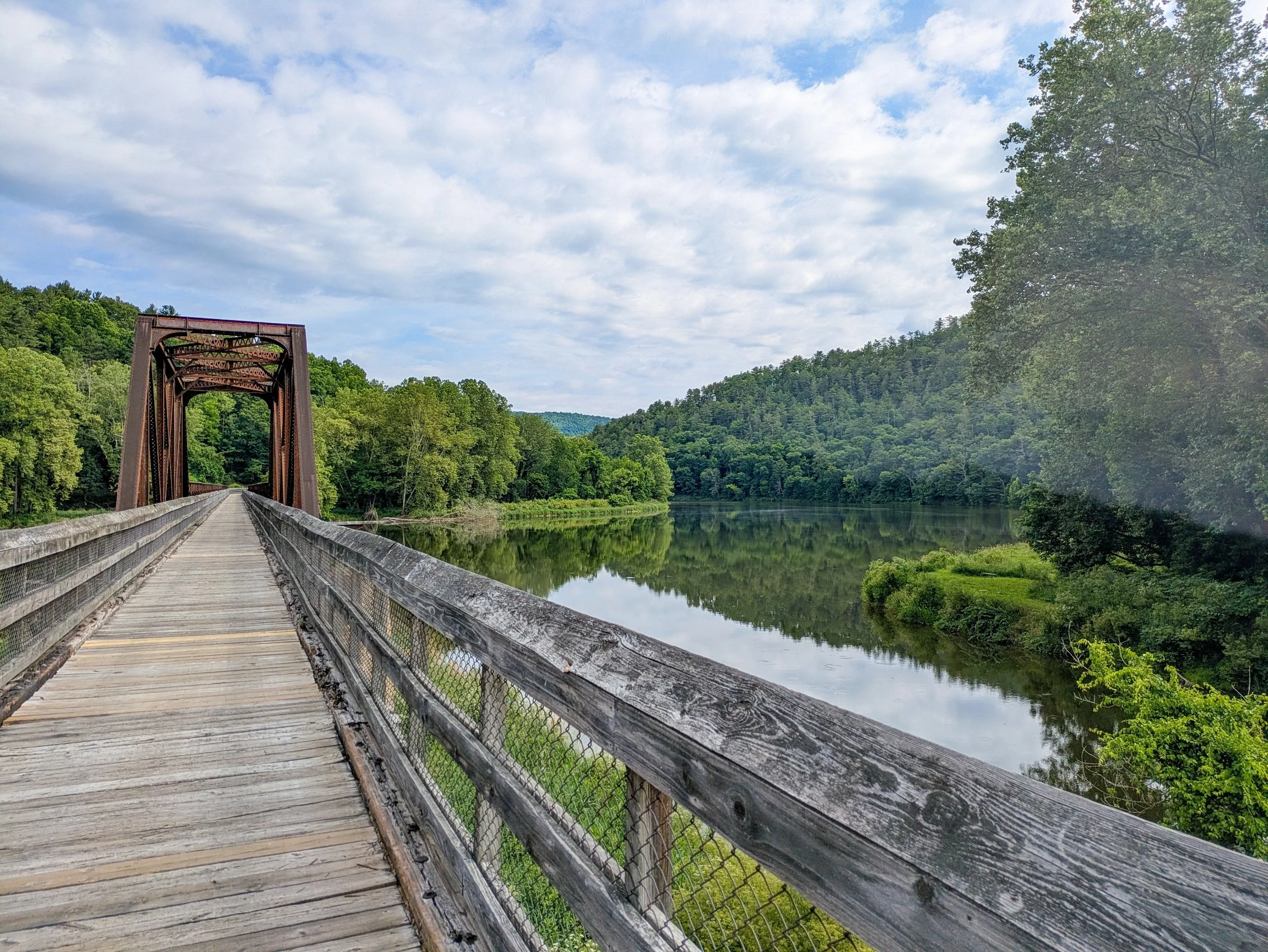
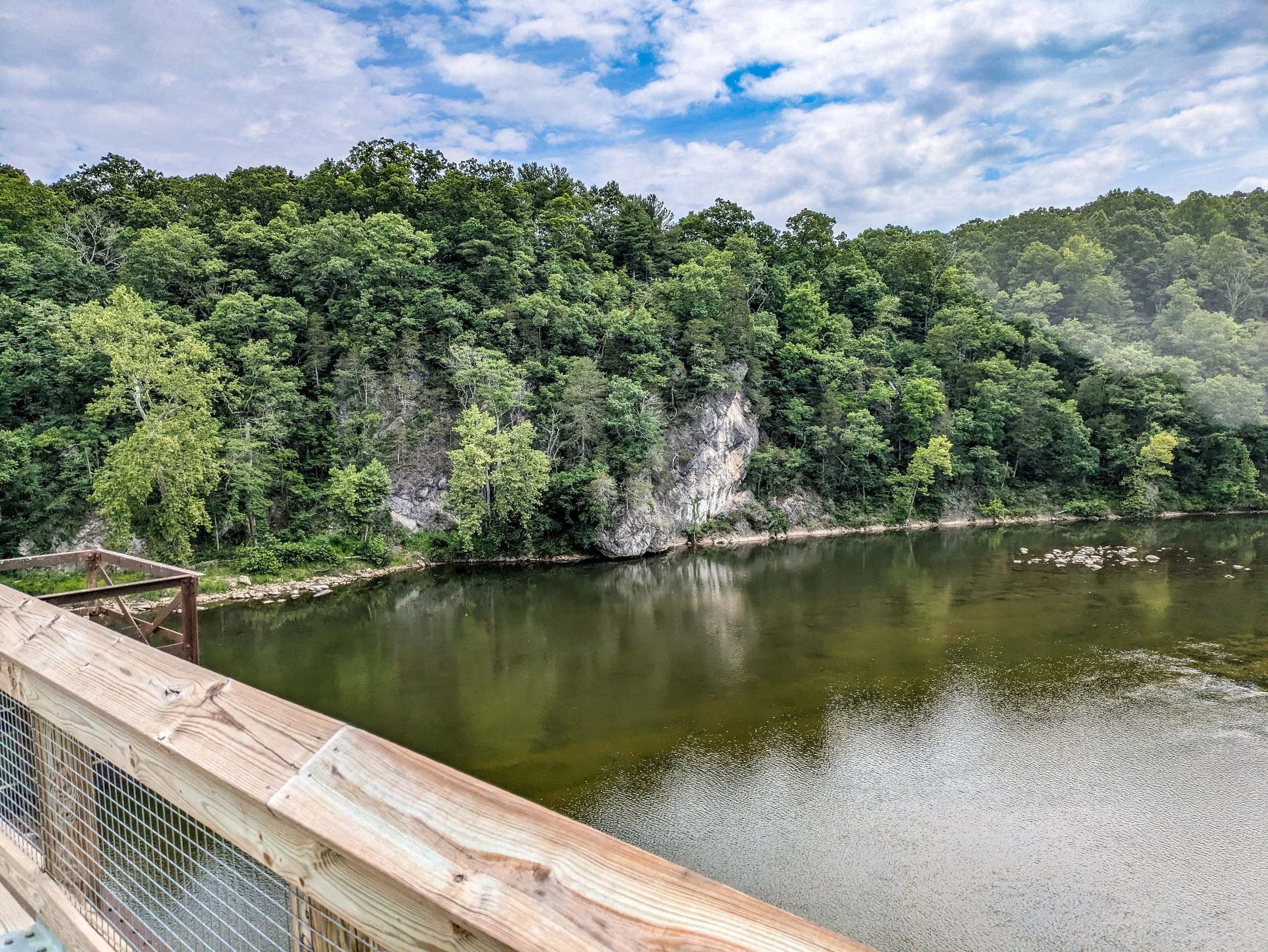
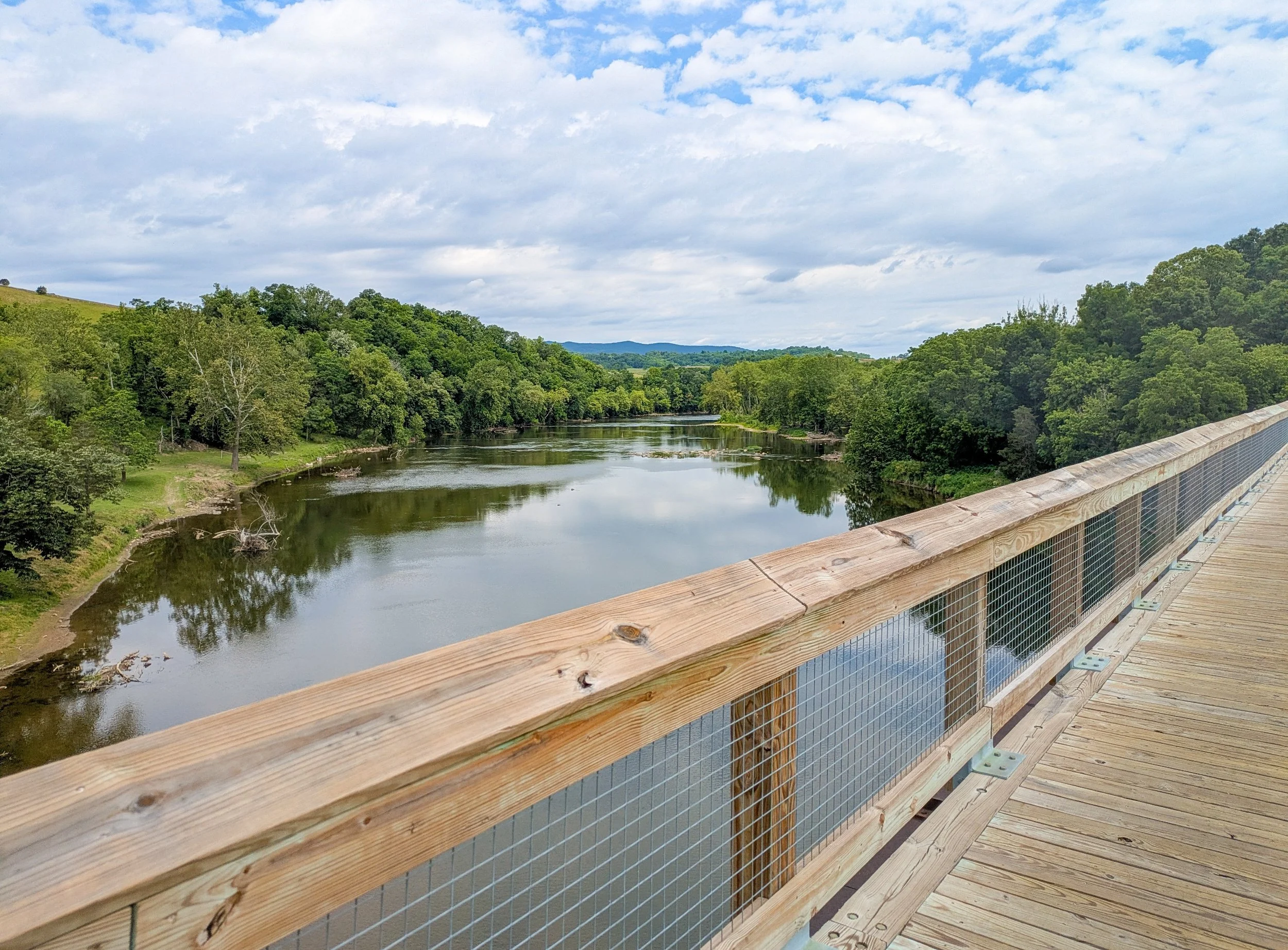
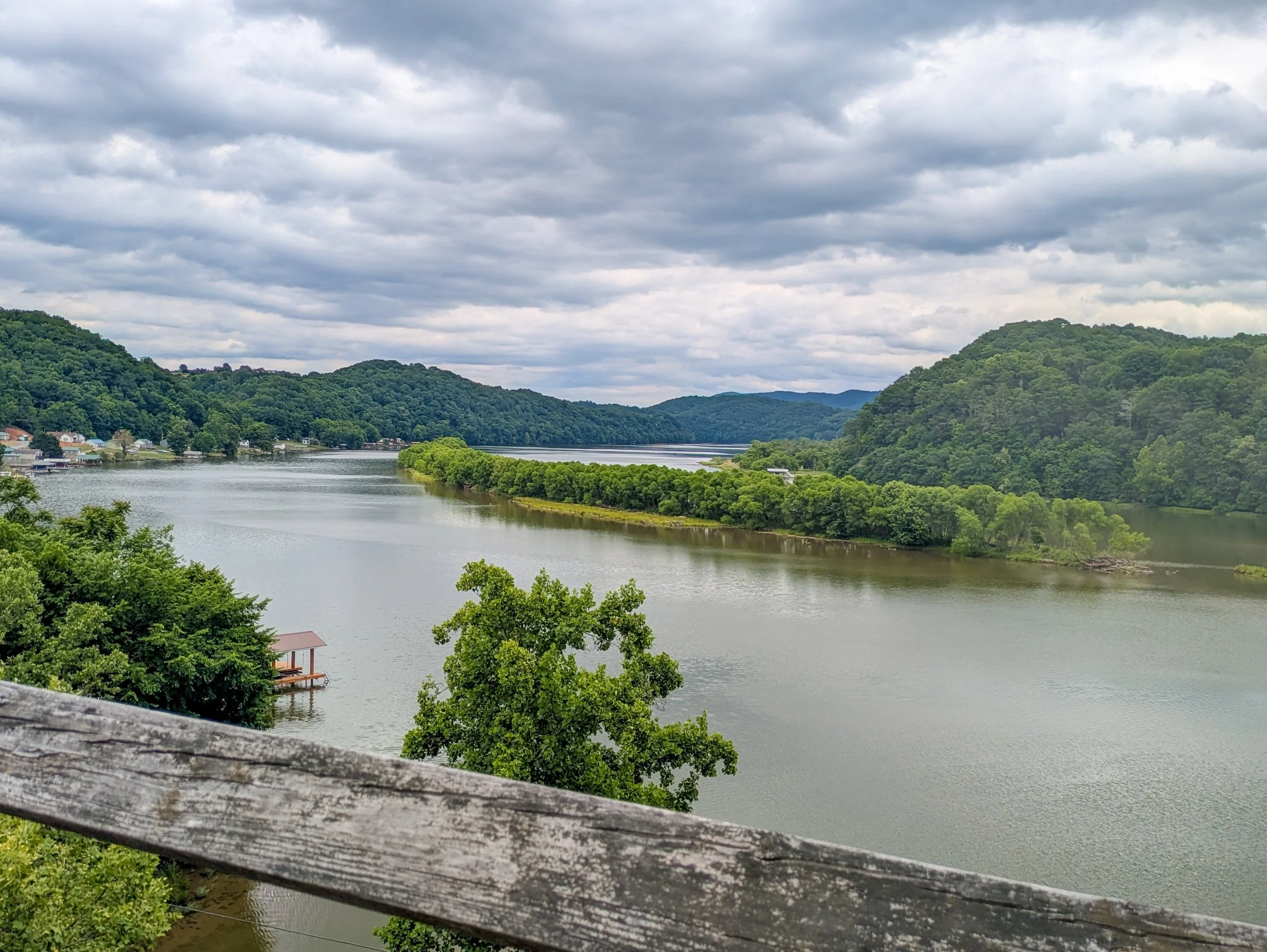
Because of that geology there are rich deposits of coal, iron and copper in the region. Initially this is what spurred the building of the Fries and Galax rail branch that was later turned into the NRT when the bottom dropped out of the mining in the region, and highways provided means for other important goods like textiles and milk to be shipped out. However, the artifacts of these old industries and the rail that serviced them are still visible all along the trail: Old disused warehouses and factories, railway turn-arounds, dams to provide power, etc.
The failure of the mining industry in Southern VA was a slow moving catastrophe for the economies of these small towns, though Galax and Fries both faired better than most areas because of their access to raw materials for textiles and furniture which helped to prop up their economies and stave off collapes.
The deathnell came with NAFTA, and the hollowing out of American manufacturing. What jobs that remained in textiles and furniture were quickly offshored to boost profits, to the great detriment of these communities. In one year 1700 jobs vanished. It was such a shock to Fries that the local highschool closed the very same year and it forced the consolidation of schools in the region. Factories were demolished leaving empty spaces at the heart of the town. The town now only boasts a population of near 400.
Galax faired better for a while, as those with influence fought back to get laws in place to prevent overseas industry from mass-dumping product onto the market and crashing prices for local goods. They succeeded at the time, but the writing was on the wall.
Galax is now a husk of its former self, much like the impressions that Butte MT gave me. Looking at the figures it has a 31% poverty rate with a child poverty rate of 43%.
This is the systematic rot of chasing the bottom, and it is a clear example of a place where tarriffs can actually be meaningful if employed intelligently. That’s what the anti-dumping laws were — Tarriffs on companies that produced overseas and would mass dump goods on the market, depressing the value of local goods and either with the direct intent of puting them out of business, or as a positive (for them) side effect. It’s a playbook of industry we still see frequently today. Take Uber and Lyft as two examples — they raised billions of dollars to ‘disrupt’ a solved industry. Taxies already existed and worked. Absolutely they could be better. However when Uber and Lyft came in they subsidized the cost of rides with investor money to capture the market. Basically they made their services cheaper than legacy services that actually made money. They did so at a loss for years, until taxi services simply couldn’t hold out and started closing. The result was immediate hikes in the cost of these services in order to make a profit where none had existed before. Paired with that was an ever decreasing share paid to the people who provided the labor AND the vehicles to make the business viable.
This is the American story that so many plug their ears to because “Line go up”. The systematic hollowing out of the working class for the sake of stock portfolios. It is the fundamental reason for much of my anger towards both Republican and Democrats alike (though one far more than the other).
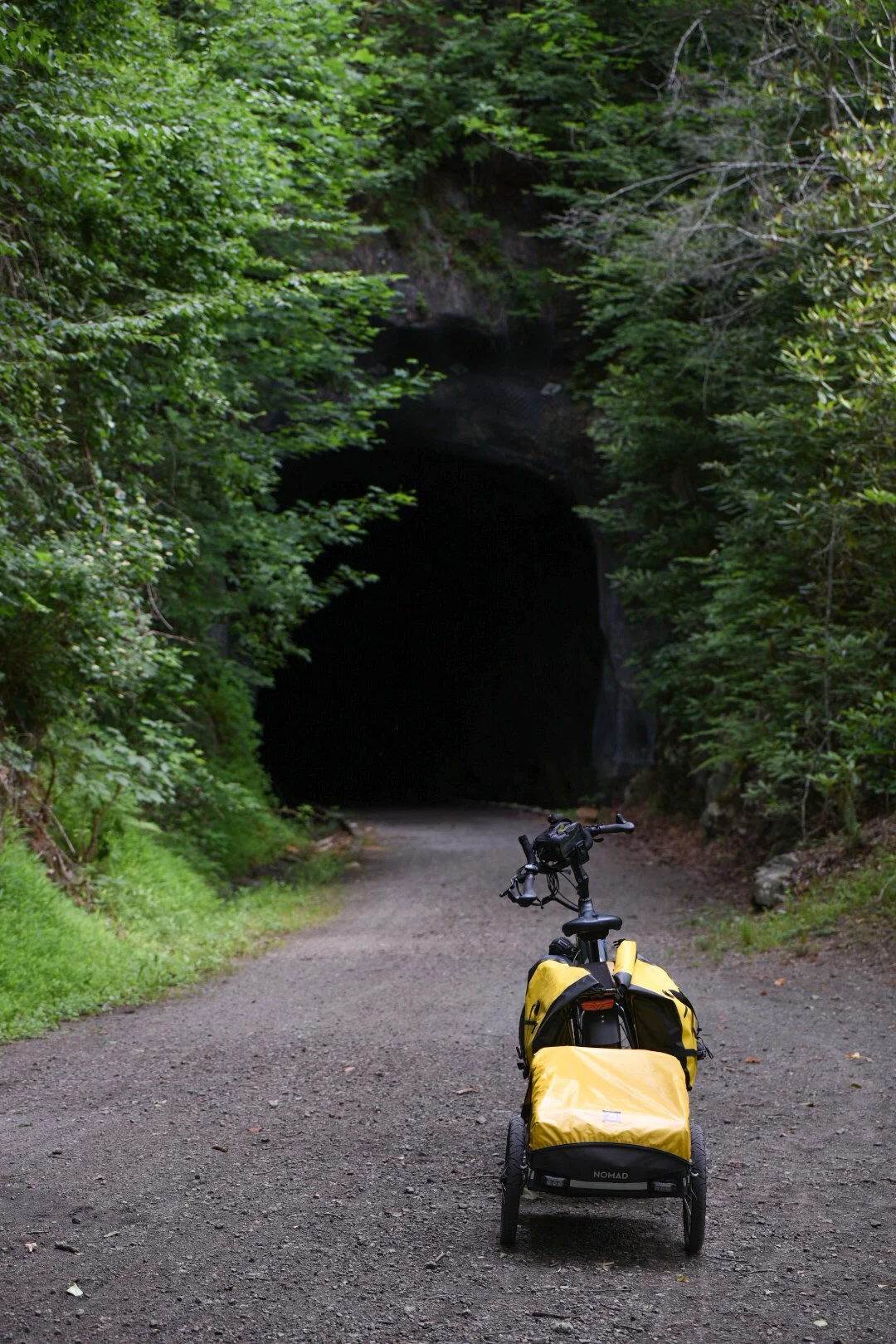
The NRT and the Blue Ridge parkway are examples of the real American Exceptionalism we should be known for: Doing beautiful things for public use, because we can. It should not take something like the New Deal to force us into the proposition of exposing the true and astounding beauty of our home. I’m genuinely crying at the idea of what our country would look like if we stopped being so singularly focused on monetary profit and started focusing on people and things that benefit people.
Look at this…
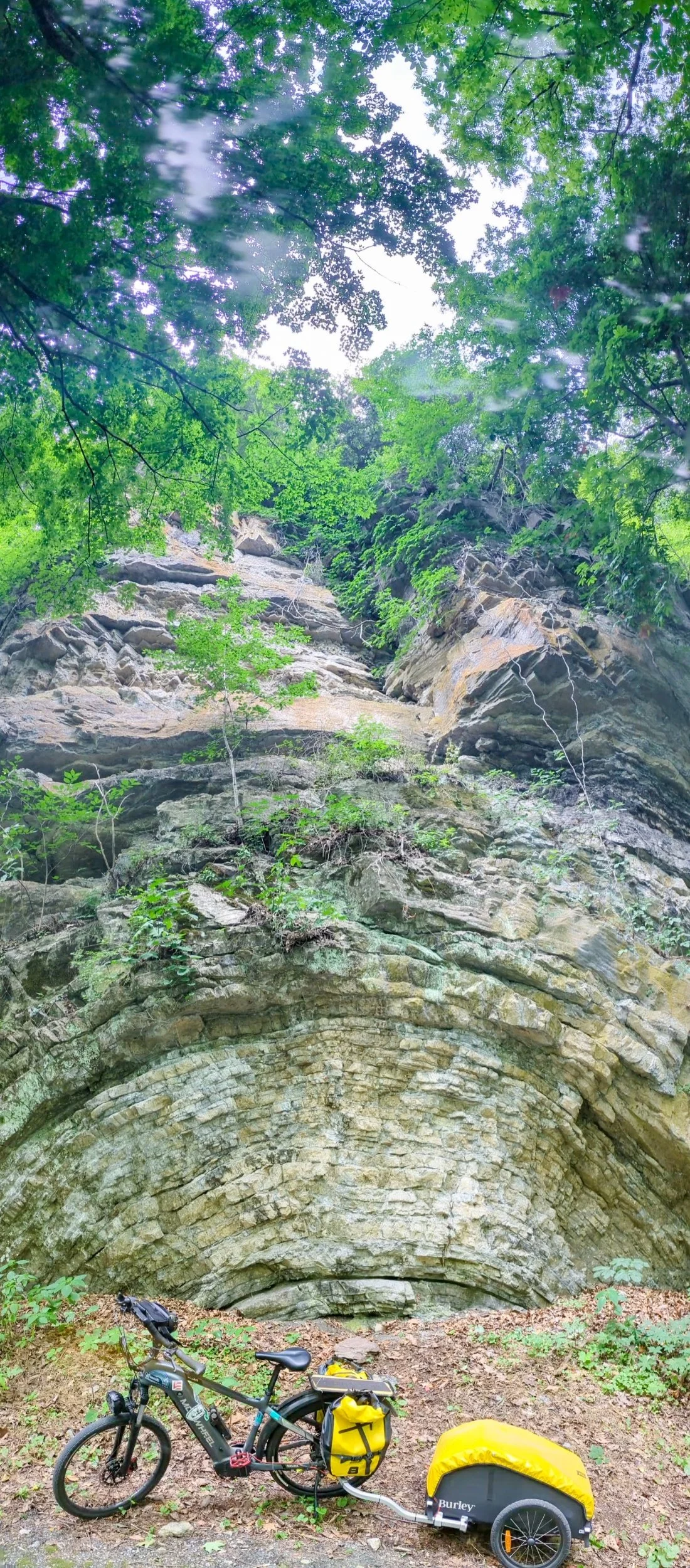
The NRT is a result of VA trying to make the best of an unideal situation. But the canals of Amsterdam, our national parks and monuments, the gothic cathedrals of Europe, Hagia Sophia, and as cliche as it sounds — the pyramids — these things were created at immense cost under a spirit of because we can. Why is that same mentality not something we apply to the prosperity of our towns and cities?
These vistas exist because we willed them into existence.
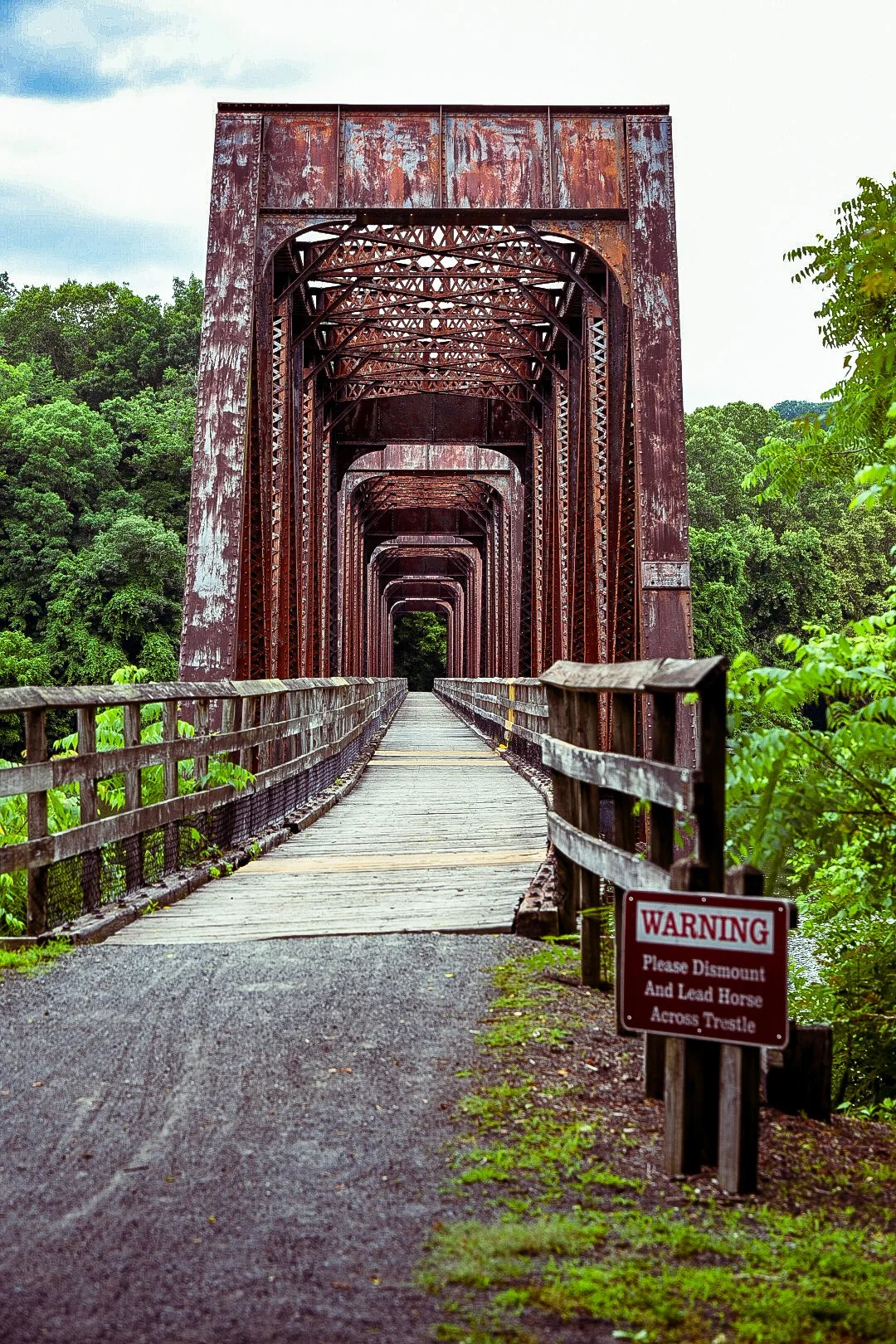
Decay can be beautiful. The weathering of rocks into a pebble beach. The fluttering brilliant red and orange leaves of fall. The bleached bones of some long forgotten collosus jutting out of the earth.
It all speaks to memories of what was, and the cycles in which we exist.
Time and water cause steel to rust and wear away. But even in this we can exert our will and use that decay as an aegis against time. There is a type of steel which you have seen all around you in bridges and structures which outwardly looks to be in active decay. Marked by its dark red and brown finish caused by rust which is only a fraction of a millimeter thick. It’s called Weathering steel, and paradoxically that rust is what protects it from decay.
In our lives we all suffer harms, bruises, live through the unexpected and the tragic. Whether we choose to embrace our rust or reject it is up to us. If anything, touring has taught me that events that seem outwardly tragic are the accumulation of rust that protects the steel beneath. A necessary exposure in forming a material that will last against greater forces in time.
But then the tour is also about drinking in every moment and every sight along the path.
Today is just a love letter to one of my favorite places.
Beyond the trail - into Christiansburg.
At the start of the day I was dubious if I would be able to make it 75 miles from my starting point to my intended destination. My biggest concern was that for all its beauty, the hard pack cinder trail would sap both my and the bike’s reserve of energy.
At 3pm, after nearly five hours of riding I exited the trail back onto the undulating surface roads that bounded over the hilly bottom land. I was hoping for some food other than protein bars and fruit rollups, and the restaurant I was shooting for at the end of the trail had just closed. So I pulled up the map and found “Cinco De Mayo” down the road about 10 miles. I was absolutely ready for calories. I could feel the bonk inbound but I figured I could make it ten miles before it fully set in.
I followed my route to Draper, a postage stamp of a town with some historical connection to wilderness routes. However I didn’t have time to investigate. I needed some ACP ASAP (arroz con pollo, as soon as possible). By the way it appeared on Google it looked like it was just off the route.
Yeah… I stopped when I felt like I should be close to look and see how far ahead it was. It was right beside me, perhaps 1000ft to my left. The problem was, there was no side road giving access to the restaurant, and I couldn’t plow through people’s backyards and fields to get there. Rather I had to backtrack a mile to make the only turn that afforded me access. So I stood there dithering for a few minutes, contemplating if I would eat elsewhere. At some point I snapped and said “Nah… I want some ACP” and just did the sensible thing and backtracked.
I was rewarded with a cold Dos Equis (that means “Two equis” for those of you who don’t know spanish… you’re welcome). And the glorious ACP I had hoped for. Unfortunately I couldn't find an outdoor outlet to attempt to take on some charge, but I had overbuilt my battery pack situation so I didn’t worry.
After a bit of a rest and editing some photos I got back up on the saddle and road out bloated, but energtic (and also a bit tipsy).
It wasn’t long before I crossed the bridge into Radford, VA.
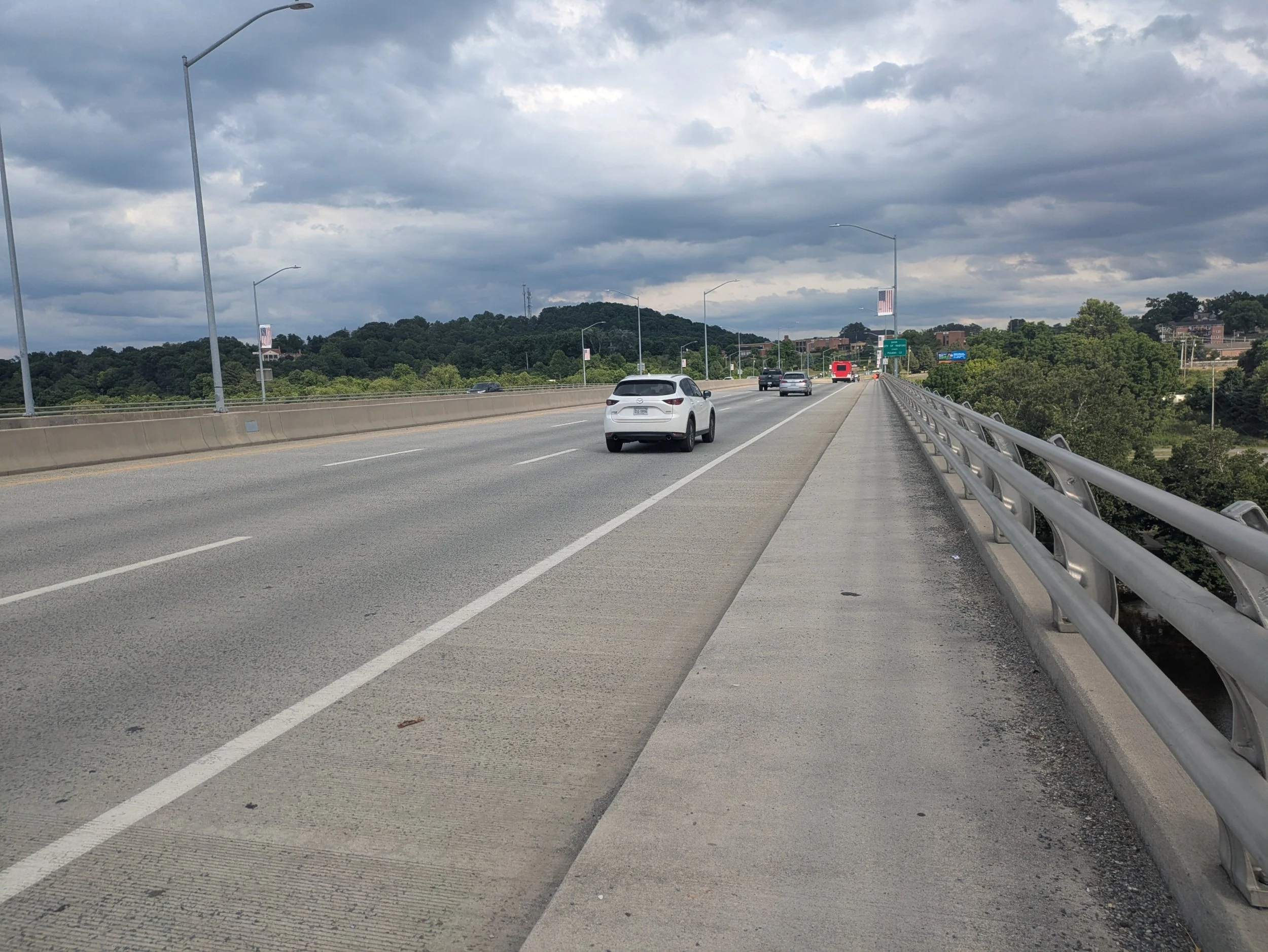
Civilization seemed to pop up out of nowhere around the college at the heart of the town. As did cars. So many cars.
Generally I’m pretty easy breezy with cars, but for whatever reason at this one intersection I didn’t feel terribly safe. So my attention was very much focused on my positioning relative to the vehicles on the road. I’m not saying it was a mistake, but it resulted in me missing a pothole directly in my path.
The sudden jolt up and out bottomed out my front suspension. My mind immediately flashed to Hagred saying “Oh, that’s not good” for some reason. And no, Arry, it was not.
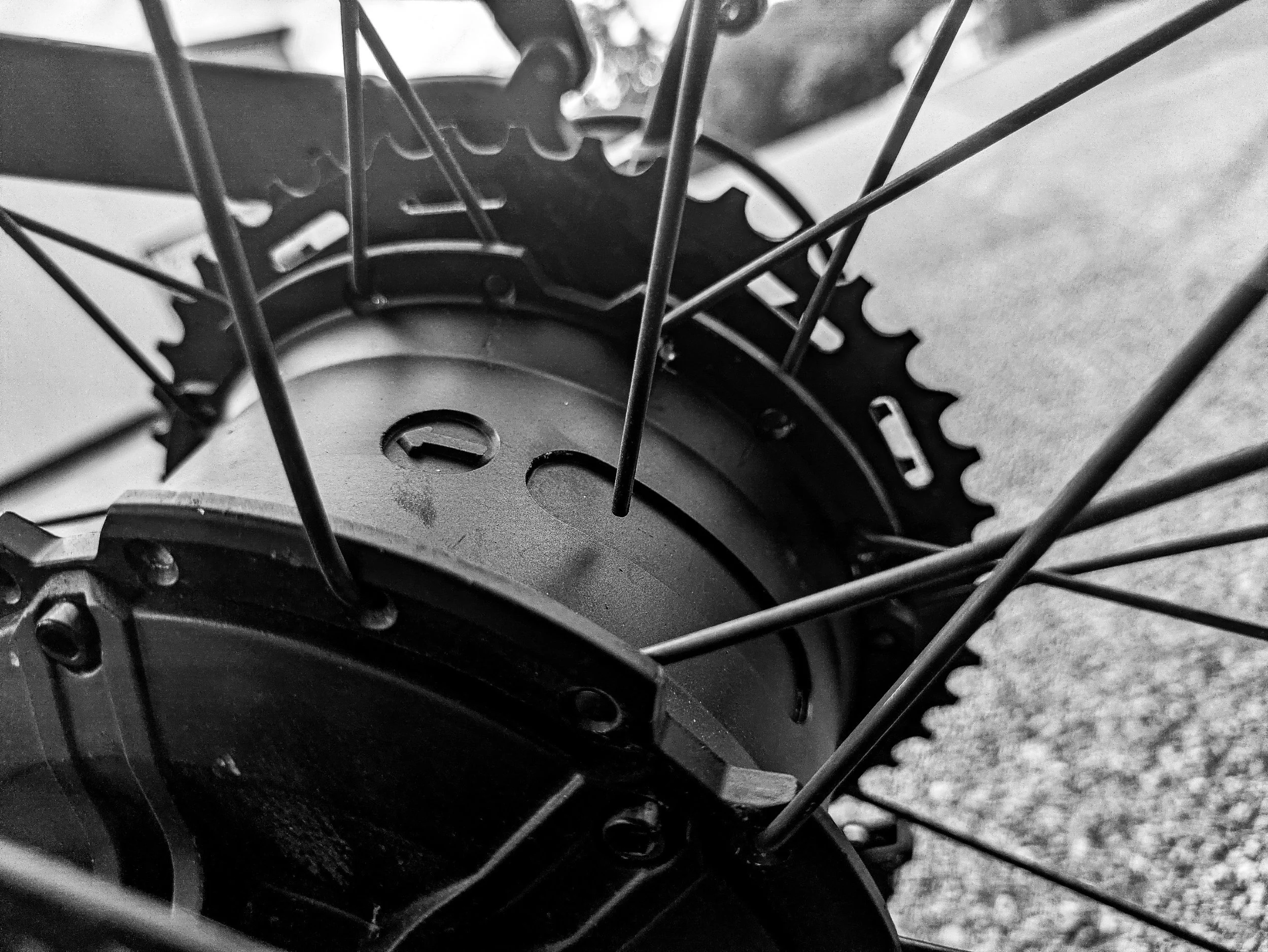
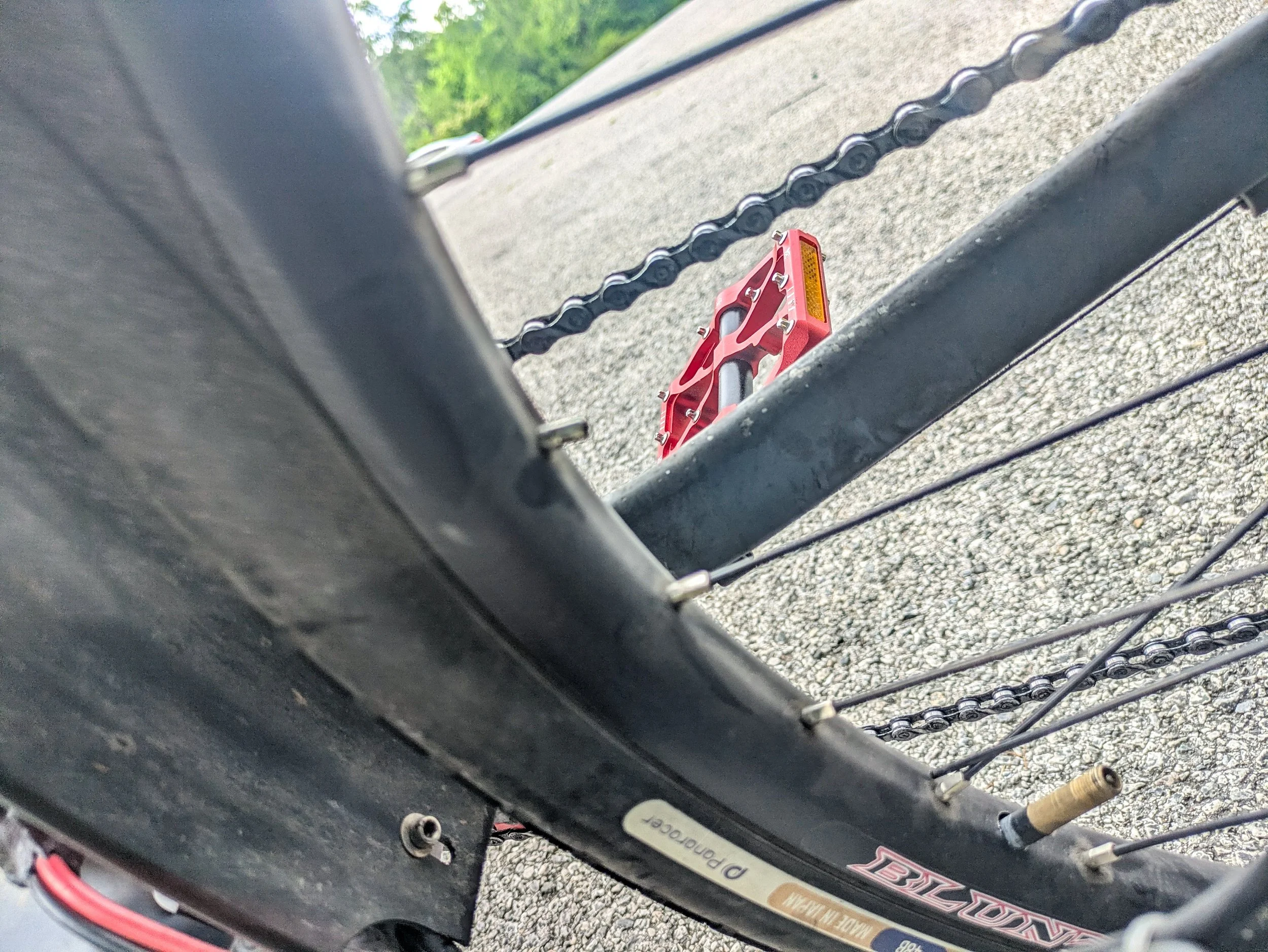
Three Broken Spokes of Radford, VA:
Earlier in the day I had amused myself by the idle thought of posting a video to Facebook claiming that “Oh, I know y'all are here for drama, but I’m sorry to inform you this trip will be drama free. The best I can do for you is that I farted last night and ended up having to take a shower because… uhhh… you know.”
Well here’s your daggum drama. I think I might just take on the trail name “The Wheelbreaker”, because this is my third tour and my third broken wheel.
Now I say this with the greatest level of amusement, not anger, because I’m genuinely amused. It’s rust. The steel is untouched.
I knew of all the risky choices this wheel was the riskiest and I have options. It’s still running true, not wobbly or weak. All the other spokes are retaining their audible tension. I genuinely think I could probably get spokes chucked in and repair it.
But what if this happens again in NY or MI? It’s just not worth the risk. Here and now is the best time for this failure because I can simply call upon a friend to bring me my old wheel set and roll out on my ridiculous fat white walls.
And so that’s what’s going to happen. My friend who you may recall from last year’s tour, Matthew, is going to bring up all the necessary parts and I’ll swap the wheels and fork out at the motel I’m staying at. Not a big deal, and honestly while its a bit disappointing, it leaves me with a greater sense of security rolling out on the fatties.
Maybe I should call the blog “Fatty on fatties: The adventures of The Wheelbreaker”
Oh and that motel? $57 a night, and given that camping would have cost $38, I’ll take it.
Anyway, that’s what’s fit to share about Day 3. I will be resting up today and hopefully getting the wheels swapped out and back on the road tomorrow.